
Cryptolepis dubia
Cryptolepis dubia
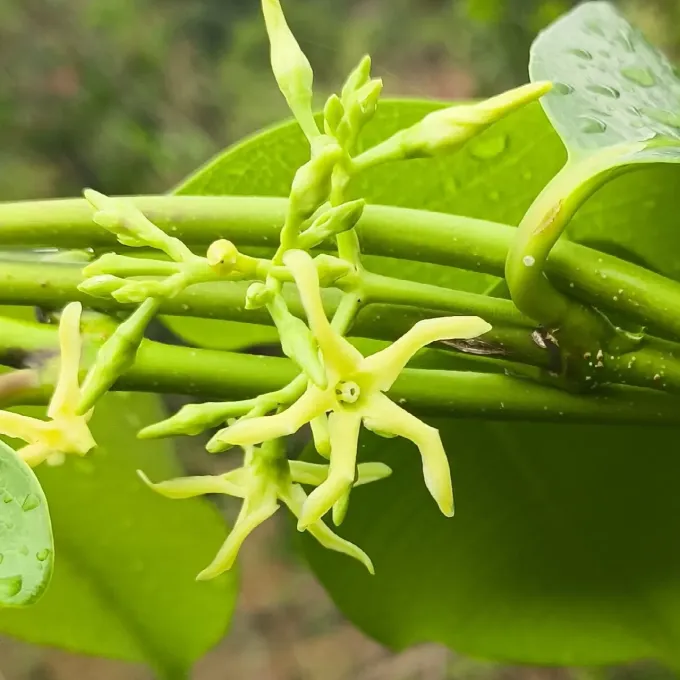
Description
Sowing dates
Cryptolepis dubia is a perennial woody climber that requires specialized propagation techniques, typically involving vegetative cuttings or seed stratification in controlled environments.
For large-scale cultivation, planting should coincide with the beginning of the rainy season to ensure optimal moisture levels for early root development.
When starting from seeds, use a well-draining potting medium and maintain a constant soil temperature between 22 and 25 degrees Celsius for consistent germination.
Seed preparation is vital; removing the outer husk and using mild growth stimulants can significantly increase the success rate of young plant establishment.
As the plant matures, installing sturdy trellis systems is essential, as the species has a natural tendency to climb and requires vertical structural support.
Growing requirements
As a member of the Apocynaceae family, this plant thrives in tropical and subtropical environments, requiring high humidity and consistent warmth year-round.
While the plant benefits from plenty of light, young specimens should be protected from intense direct sunlight to prevent leaf scorch during the initial growth stages.
Soil quality is paramount; the plant demands a light, porous, and well-draining substrate with a neutral or slightly acidic pH balance to avoid root distress.
Watering must be precise, as the plant is sensitive to both waterlogged soils and severe dehydration, which can lead to stunted growth or fungal infections.
Maintaining air humidity levels between 70 and 80 percent is ideal for mimicking the plant's natural habitat and ensuring vigorous vegetative expansion.
Yield
The yield of Cryptolepis dubia is measured by the total biomass of foliage and roots harvested, which are the primary parts utilized for medicinal purposes.
Initial harvest of raw materials typically becomes feasible within 3 to 4 years of cultivation, depending on local environmental conditions and crop management.
Achieving high yields requires consistent monitoring of soil nutrients and the implementation of organic fertilization programs to boost biomass production.
Regular pruning cycles are recommended to stimulate branch development and maximize the surface area of the leaves available for the harvest.
Sustainable harvesting practices ensure that the plant retains enough energy to regenerate, allowing for multiple harvest cycles from the same plantation site.
Main diseases and pests
The main threats to Cryptolepis dubia include root rot and fungal leaf pathogens, which are often triggered by excessive soil moisture and poor airflow.
Pests such as spider mites and aphids are frequently observed, particularly in environments with low humidity or under crowded plantation conditions.
Maintaining a healthy crop through proper spacing and routine maintenance is the most effective way to prevent pest infestations and disease outbreaks.
Integrated pest management, including the use of neem oil or biological controls, is highly recommended to protect the quality of the harvestable product.
- Ensure adequate row spacing to promote natural air circulation.
- Regularly inspect the underside of leaves for early signs of infestation.
- Use sterile tools during pruning to prevent the spread of infections.
Harvesting
The harvesting process should be timed to coincide with the period of peak alkaloid concentration in the plant's tissues, typically just before the dormant phase.
Harvesting leafy branches requires sharp, sanitized shears to prevent unnecessary tissue damage, which aids the plant's recovery after the cut.
Post-harvest processing involves immediate shade-drying to preserve the volatile compounds that provide the plant with its therapeutic properties.
Root harvesting is a more invasive process and should be conducted cautiously, ensuring that the soil is sufficiently loose to prevent root breakage.
Final product quality depends on meticulous drying at temperatures below 45 degrees Celsius, followed by storage in cool, dry, and dark conditions.