
Cryptolepis sanguinolenta
Cryptolepis sanguinolenta
Description
Growing requirements
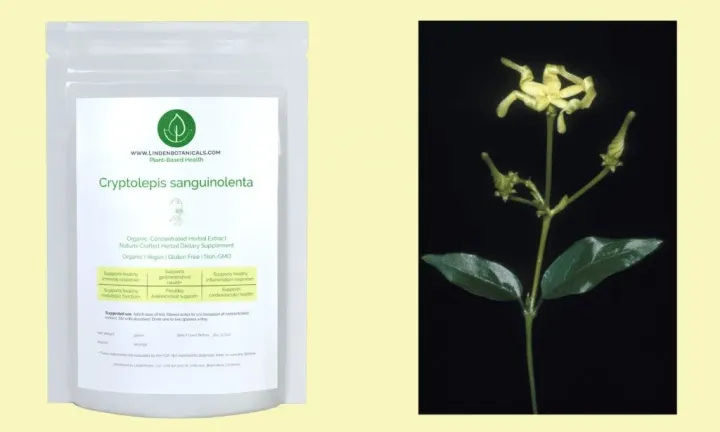
Cryptolepis sanguinolenta is a perennial woody climber belonging to the Apocynaceae family. It is distinct for its latex, which turns a reddish color upon exposure to air, providing the plant with its specific name and recognizable characteristic in the wild.
Native to the tropical regions of West and Central Africa, this plant thrives in warm, humid forest environments. It requires well-drained, fertile soil rich in organic matter to achieve maximum growth potential and yield of secondary metabolites.
As a tropical species, it demands temperatures consistently between 22°C and 30°C. It is highly sensitive to frost and cold stress, making indoor or greenhouse cultivation necessary in temperate climates to ensure plant survival.
The agricultural practice involves setting up vertical supports to accommodate the plant's vining habit. Propagation is typically performed via stem cuttings or seeds, ensuring the substrate remains moist but not waterlogged to support robust root development.
The economic value of this crop is primarily derived from its roots, which are utilized in the pharmaceutical industry. The presence of the alkaloid cryptolepine makes it a significant subject for research and production of anti-malarial and anti-inflammatory medicines.
Main diseases and pests
Root rot is the most common threat to Cryptolepis sanguinolenta, often triggered by waterlogged soil conditions. Proper drainage systems and careful irrigation management are essential to prevent the proliferation of pathogenic fungi.
Pests such as spider mites and aphids are frequently observed in controlled environments. These insects exploit the tender growth of the vines, which can stunt the plant's overall vigor and reduce the concentration of active chemical components.
Integrated Pest Management (IPM) strategies are recommended for this crop. Utilizing biological controls rather than harsh chemical pesticides ensures that the harvested roots meet the safety standards required for medicinal processing.
Poor ventilation in dense planting setups can lead to outbreaks of fungal leaf diseases. Ensuring adequate spacing between plants allows for improved air circulation, which is critical for maintaining a healthy and productive crop.
Maintaining balanced soil nutrition is vital to help the plant resist physiological stress and potential infections. Regular monitoring for early signs of distress, such as leaf yellowing or stunted growth, is key to successful long-term management.