
Crypsis schoenoides
Crypsis schoenoides
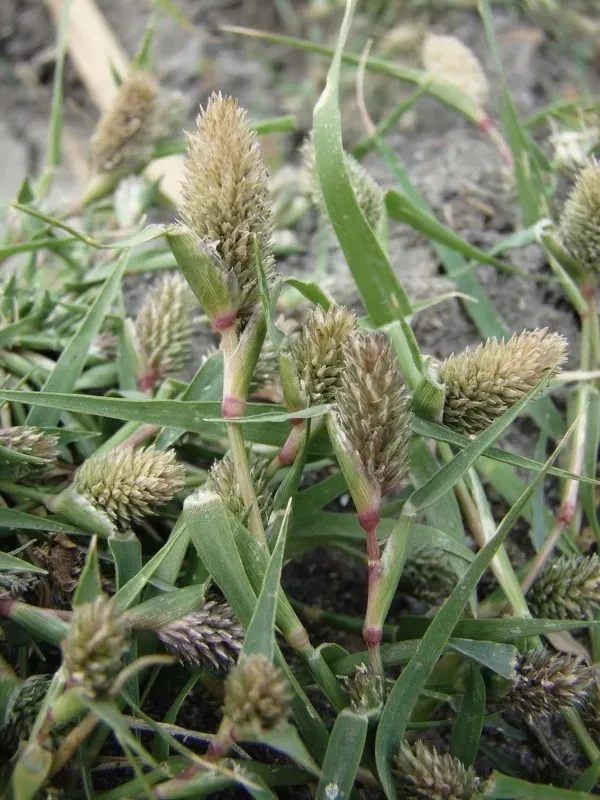
Description
Sowing dates
Crypsis schoenoides is an annual grass species belonging to the Poaceae family, widely distributed in marshy and saline areas. The life cycle begins in spring, triggered by rising soil temperatures and moisture availability.
Seed germination is highly efficient in wet soils, allowing the plant to colonize areas frequently subjected to seasonal flooding. While not typically grown as an industrial crop, its establishment in pastures relies on natural seed dispersal.
The plant completes its life cycle within a single season, producing a large volume of seeds by late summer or autumn. These seeds remain viable for long periods in moist substrate, ensuring the population persists despite environmental fluctuations.
Agricultural management of fields where Crypsis is present usually involves timed mowing or grazing to control seed production. This prevents the grass from becoming overly dominant in areas where other forage crops are intended to grow.
Self-seeding is the primary method of propagation. The timing of growth is largely dictated by the hydrological regime, with populations thriving following the recession of floodwaters in seasonal wetlands.
Growing requirements
This species is well-known for its tolerance to soil salinity, classifying it as a true halophyte. It thrives in saline environments, such as salt marshes and the edges of salt lakes, where competing vegetation is limited.
Crypsis schoenoides is a hygrophilous plant, meaning it requires high levels of moisture. It is frequently found in clay-rich or silty soils that remain saturated or periodically inundated throughout the growing period.
Full sun is essential for the healthy development of this grass. In shaded conditions, the plant fails to produce adequate biomass and often displays reduced seed production, which significantly affects its competitive edge.
Soil texture plays a crucial role in the plant's distribution. It prefers heavy, moisture-retentive soils that do not dry out quickly during the heat of the summer, as its root system is relatively shallow.
Regarding climate, the plant requires warm temperatures during its vegetative phase to maximize growth. It is highly adapted to continental climates with hot summers, effectively utilizing the energy available during the peak growing season.
Main diseases and pests
Crypsis schoenoides is generally resilient to many common cereal diseases. Its ability to colonize harsh, saline, or periodically flooded sites often places it outside the niche of many agricultural pathogens that require stable, fertile conditions.
Grasshoppers and other Orthoptera represent the most significant biotic threat to this plant. During outbreaks, these insects can cause severe defoliation, which limits the plant's ability to produce seeds and recover for the next season.
In terms of ecological competition, the plant can be outcompeted by taller, more aggressive perennial grasses if the environmental conditions shift toward lower moisture levels. This transition often happens in managed pastures with consistent irrigation.
While fungal infections such as rust or mildew may occur under conditions of extremely poor air circulation and high humidity, they are rarely of economic concern. The plant's natural habitat usually provides enough airflow to mitigate these issues.
Management practices, such as proper grazing rotation, help maintain a healthy balance. By avoiding overgrazing, the plant population can stay vigorous and resistant to potential environmental stresses or localized infestations.