
Crypsis acuminata
Crypsis acuminata
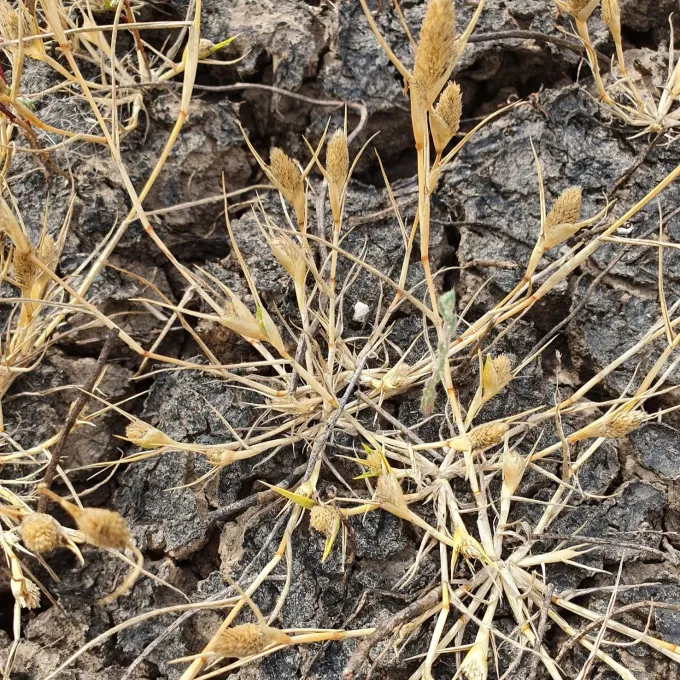
Description
Growing requirements
Crypsis acuminata, commonly known as a type of prickle grass, is an annual grass species belonging to the Poaceae family. It is recognized primarily for its role in natural grazing ecosystems rather than as an intensive industrial crop.
The native range of the species extends across temperate and subtropical zones, where it thrives in environments that are often inhospitable to other grasses. It is highly valued for its ability to grow in saline soils and on the edges of seasonal water bodies.
Agronomically, this plant is characterized by its significant drought tolerance and ability to withstand temporary flooding. It typically forms dense, low-growing mats that effectively cover bare ground, providing a source of forage in challenging conditions.
The soil requirements are flexible, with the plant showing a preference for fine-textured soils that retain some moisture during the early vegetative stage. Adequate sunlight is essential for the plant to reach its maturity and produce viable seeds for the next cycle.
Its botanical structure features slender, pointed leaves and a branching habit that minimizes surface water loss. This morphology is an adaptation to high-temperature environments where conservation of internal moisture is critical for survival.
Main diseases and pests
The primary threats to Crypsis acuminata populations include fungal infections, particularly during prolonged periods of high humidity or poor soil drainage. Rust and mildew are common pathogens that can degrade the quality of the forage if airflow is restricted.
Pest pressure from grasshoppers and various leaf-feeding larvae can significantly reduce the available biomass. In heavily grazed areas, the lack of sufficient plant density makes the crop more susceptible to localized destruction by these insect populations.
Competitive displacement is a major concern in ecological management. As an annual species, it relies on seed production and successful germination; if dominant perennial species invade the habitat, Crypsis acuminata can be suppressed rapidly.
Overgrazing poses a severe threat to the long-term sustainability of this grass. Compacted soil resulting from high livestock density prevents seed germination and weakens the existing root systems of the plants, leading to a decline in cover.
Management strategies should focus on rotational grazing to ensure the plant completes its life cycle. Providing rest periods allows the grass to flower and set seeds, ensuring natural regeneration and maintaining the biological productivity of the land.