
Pricklegrass
Crypsis aculeata
Description
Growing requirements
Pricklegrass (Crypsis aculeata) is an annual grass species belonging to the Poaceae family. In agricultural science, it is recognized as a hardy plant adapted to extreme soil salinity conditions, often found in arid and semi-arid environments.
The species is a specialized halophyte capable of thriving in soils with high concentrations of dissolved salts, such as solonchaks and salt pans. Its ability to manage osmotic stress makes it a critical plant for marginal land utilization.
Optimal growth requires adequate soil moisture during the germination phase and high solar radiation during the vegetative period. It is essentially a sun-loving plant that fails to compete when overshadowed by taller, more aggressive vegetation.
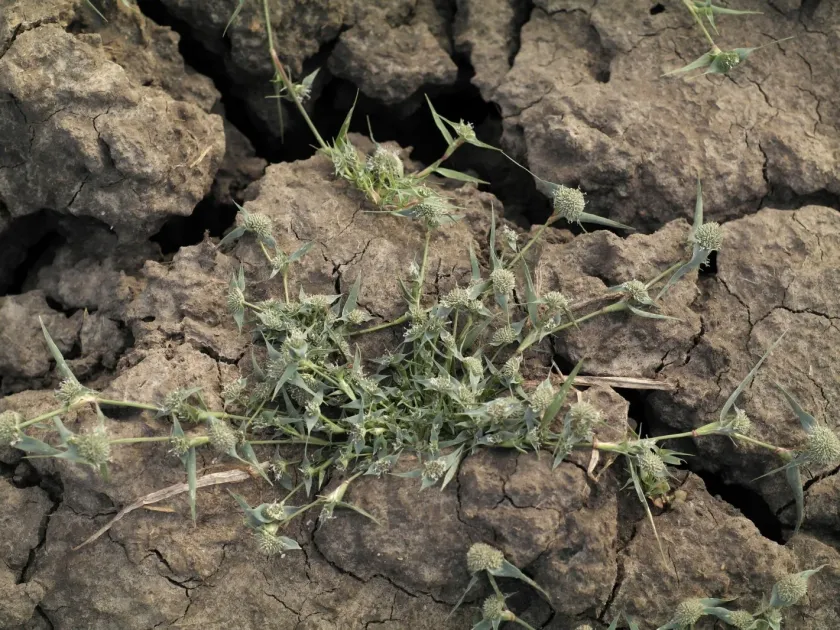
Botanically, it features a prostrate to decumbent growth habit with narrow, pointed leaves that give the plant its characteristic appearance. The root system is fibrous and highly efficient at capturing moisture from saline substrates.
Agricultural use focuses on grazing livestock on natural pastures. It is considered a valuable forage resource for sheep and goats in areas where common forage grasses cannot survive the high salinity levels.
Main diseases and pests
Overgrazing is the primary threat to the longevity of Pricklegrass stands. Excessive livestock pressure during the seed-ripening phase prevents the plant from replenishing the seed bank, leading to population decline in subsequent years.
Pest pressure from grasshoppers and locusts can be significant, especially during dry seasons when alternative green vegetation is scarce. These insects can decimate entire stands, significantly reducing pasture biomass.
Fungal pathogens, particularly those affecting grasses, can pose a risk under high humidity conditions. Such diseases typically affect the leaf tissue, reducing the nutritional value and palatability of the forage.
Changes in the hydrological regime, such as excessive flooding or complete drying of salt pans, disrupt the plant's life cycle. Stable salinity levels are essential for this species to maintain its competitive advantage over invasive weeds.
Sustainable pasture management should include rotational grazing practices. By allowing the plants to complete their reproductive cycle, land managers can ensure the persistent productivity of these vital salt-tolerant rangelands.