
Crypsis alopecuroides
Crypsis alopecuroides
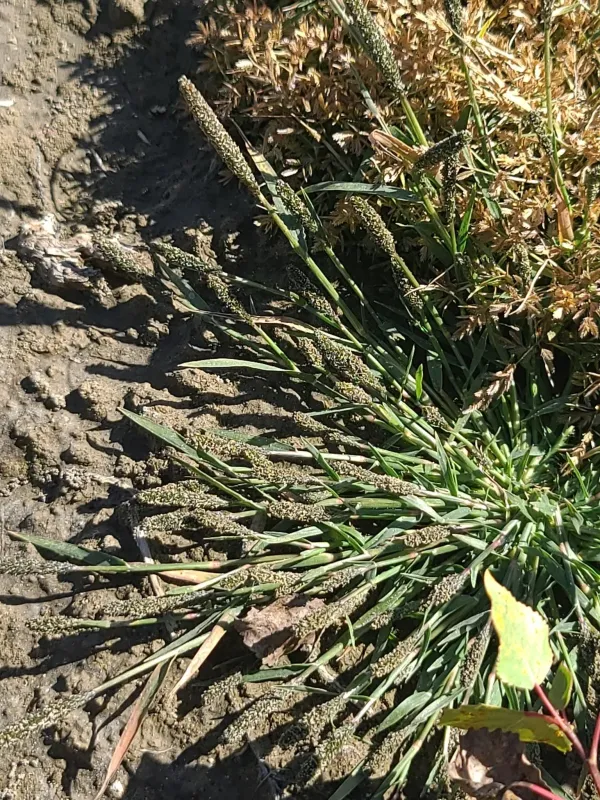
Description
Sowing dates
Crypsis alopecuroides is an annual grass species whose life cycle is closely tied to seasonal soil moisture patterns. The optimal time for seed germination occurs after floodwaters recede, when the soil has warmed sufficiently and remains saturated with moisture.
In natural habitats, propagation occurs through self-seeding; however, for managed cultivation, seeds should be sown into moist soil in late spring or early summer. Shallow placement of seeds is crucial, as the small seeds require surface-level exposure to successfully germinate and establish roots.
To ensure uniform seedling emergence, it is essential to establish good contact between the seeds and the moist substrate, often achieved by rolling the soil after sowing. The plant exhibits high germination energy, allowing it to rapidly colonize open ground once water levels drop.
The crop demonstrates high adaptability to variable weather conditions, though it performs best under the consistently high temperatures of the summer season. Its short vegetation period allows the plant to complete all development phases before the onset of autumn frosts.
Under controlled conditions, sowing dates can be adjusted based on regional climate and the hydrological regime of the specific site. Early sowing risks seedling mortality from late frosts, making soil temperature monitoring essential for successful establishment.
Growing requirements
This plant belongs to the Poaceae family and is a typical representative of floodplain ecosystems and lake margins. Crypsis alopecuroides prefers silty, sandy-silty, and clayey soils that are capable of retaining moisture for extended periods after flooding.
The primary requirement for growth is sufficient moisture during the initial vegetation phase. The crop is highly sensitive to drought, as its root system is adapted to environments with high water tables or periodic inundation.
The plant is heliophilic (sun-loving) and cannot tolerate shading from taller species; therefore, it requires open spaces in agro-ecosystems to develop fully. Optimal soil pH levels are in the neutral to slightly alkaline range, common in floodplain environments.
Cultivation practices include maintaining a specific water regime that mimics the plant's natural habitat. Soils should be protected from excessive compaction, as this inhibits root respiration and reduces the overall biomass productivity of the crop.
To maintain soil fertility in fields where this grass is grown, moderate application of organic fertilizers in the autumn is recommended. The crop efficiently utilizes nutrients from silt deposits, making it a sustainable option for floodplain agriculture.
Yield
The productivity of Crypsis alopecuroides depends directly on stand density and the availability of soil moisture during the active growth period. In favorable years, the crop forms dense turf that provides a significant amount of biomass suitable for hay production.
Green mass yield varies based on soil composition and light intensity at the specific site. On average, under extensive management practices, biomass output remains stable, a trait compensated for by the high nutritional value of the forage produced.
To increase yield, it is important to perform regular mowing during the heading phase, which encourages better tillering and the formation of more robust shoots. Allowing the grass to over-mature results in stem lignification and a decline in forage quality.
Seed yield depends on the timing of the harvest to prevent natural seed shedding, which is the plant's native reproductive strategy. Experienced agronomists recommend harvesting seed material before the spikelets reach full biological maturity.
Overall, this species is considered a valuable component of floodplain meadows, providing supplementary hay harvests in years with abundant rainfall. Economic efficiency increases when this crop is integrated into rotation systems on periodically flooded lands.
Main diseases and pests
The main threats to this crop are fungal diseases that develop under conditions of stagnant water and high air humidity. Among the most common are various rust species that infect leaf blades and significantly reduce the photosynthetic capacity of the plant.
Pests that damage this crop include typical cereal-feeding insects, such as cereal flies and aphids. These insects can cause significant damage during early growth stages by feeding on sap from young shoots, thereby weakening the plant's immunity.
Weed vegetation with more aggressive root systems poses a serious competitive threat during the initial growth stages. Timely phytosanitary control is essential to prevent invasive weeds from suppressing the growth of the crop.
Preventive measures include maintaining optimal plant density to improve airflow through the stand, which reduces the likelihood of epiphytotics. Chemical control methods must be applied with caution, respecting the ecological sensitivity of floodplain habitats.
Additionally, sudden water level fluctuations are a significant threat, potentially leading to prolonged root rot or the washout of crops during active flooding. Resilience to these factors is a key selection criterion for identifying the most adaptable populations for cultivation.
Harvesting
Harvesting is conducted during the heading phase, when the concentration of nutrients in vegetative organs is at its peak. During this window, the plant offers an optimal balance of protein and fiber, making the hay particularly valuable for livestock.
Mechanized harvesting uses standard mowers, but it is critical to adjust the cutting height to avoid damaging the tillering nodes. This allows for potential regrowth, provided that weather conditions support continued development.
Harvested mass must be dried quickly in windrows to prevent spoilage from mold and to minimize the loss of nutritional properties. Weather conditions during the harvest season are often unstable, making operational speed a critical factor for product quality.
Seed-producing plots are harvested using a two-stage method, cutting the grass into windrows and threshing it after the seeds have fully matured. This technology minimizes losses and ensures high-quality planting material for the following season.
After harvesting, it is recommended to leave the stubble to preserve soil structure and protect against water erosion during the autumn period. Proper harvest management ensures the long-term forage value and sustainability of natural grasslands.