
Cryosophila warscewiczii
Cryosophila warscewiczii
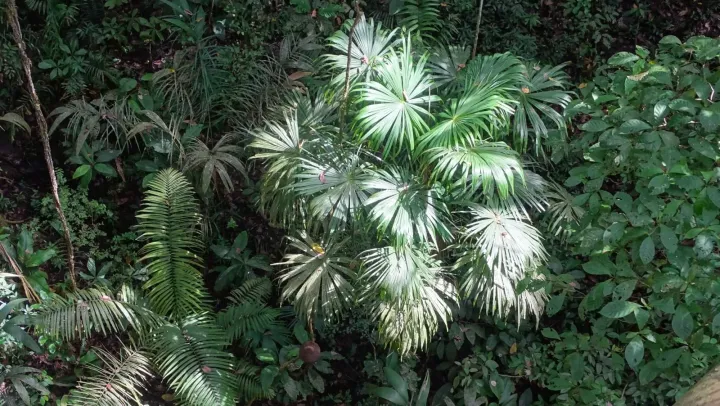
Description
Sowing dates
The propagation of Cryosophila warscewiczii is primarily achieved through seeds, as the palm does not naturally offset or sprout from the root system.
Seeds should be sown fresh as they have a short shelf life and lose viability quickly if allowed to dry out for an extended period.
A well-draining, sterile, and moisture-retentive substrate is essential for the germination process, usually placed in a warm environment.
Constant bottom heat, maintained between +25°C and +30°C, significantly improves germination rates and speeds up the emergence of seedlings.
Once seedlings have developed their first true leaves, they should be transplanted into individual containers with a balanced soil mixture suitable for tropical plants.
Growing requirements
This palm species thrives in humid tropical environments and requires protection from temperatures dropping below +15°C to avoid metabolic damage.
It prefers bright, indirect light conditions, as direct, harsh sunlight can scorch its characteristic, fan-shaped pleated foliage.
Regular high humidity is crucial for maintaining the health of the leaves; if grown indoors, the use of humidifiers or regular misting is highly recommended.
The soil must be rich in organic matter and provide exceptional drainage to prevent the root system from sitting in stagnant water.
Fertilization with a balanced palm-specific fertilizer is necessary during the active growing season to support the development of its ornamental crown.
Main diseases and pests
Common pests affecting this species include spider mites, which thrive in low humidity environments and target the undersides of the palm leaves.
Mealybugs and scale insects may also infest the plant, often hiding within the leaf bases or along the stems, causing stunted growth.
Root rot, often caused by overwatering or poor drainage, is a significant threat that requires immediate adjustment of the irrigation schedule.
Fungal leaf spot diseases can emerge in poorly ventilated areas where moisture lingers on the foliage for extended periods.
Early detection and appropriate treatment with horticultural oils or systemics are vital for managing infestations while maintaining the plant's aesthetic value.