
Cryosophila nana
Cryosophila nana
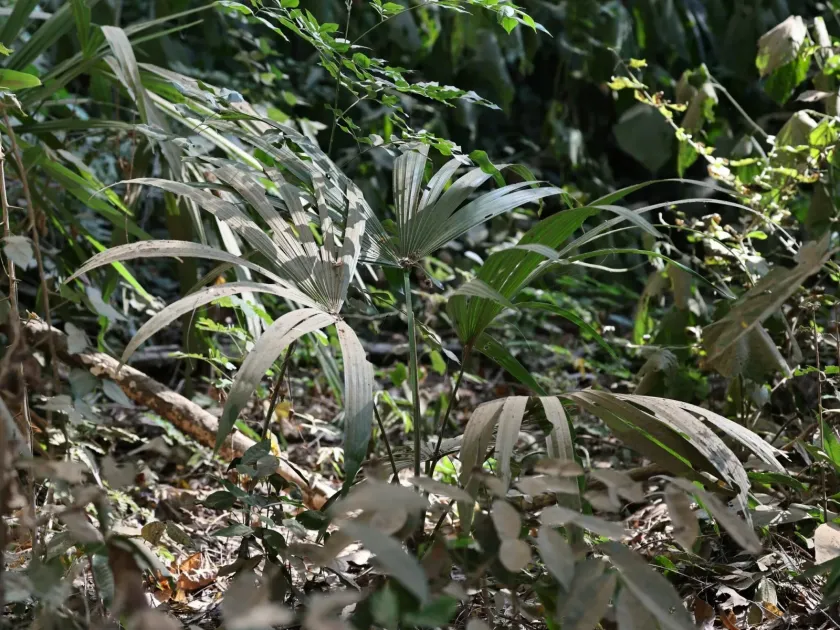
Description
Growing requirements
Cryosophila nana is a dwarf palm species belonging to the Arecaceae family. Native to the tropical rainforests of Mexico, it is a slow-growing understory plant that thrives in shaded, humid environments. Its botanical name reflects its distinct small stature and unique morphological characteristics.
The cultural requirements for this plant focus on maintaining a tropical environment. It prefers consistent temperatures between 20°C and 28°C and high atmospheric humidity. In non-tropical regions, it is strictly an indoor or greenhouse plant that cannot survive freezing temperatures.
Soil management for Cryosophila nana involves using a well-draining, nutrient-rich potting medium. A mixture of peat, perlite, and bark is often recommended to mimic the forest floor composition. Proper drainage is essential to prevent root rot, which is the most significant physiological risk for this crop.
Agronomic maintenance includes regular, light fertilization during the growing season. Nitrogen-rich fertilizers should be applied sparingly to support foliage color without promoting forced, weak growth. Pruning should be kept to a minimum, removing only dead or diseased fronds to preserve plant energy.
The primary use of this species is ornamental. It is highly valued in the horticultural trade for its compact size, making it suitable for interior landscapes and greenhouse displays. It provides an exotic aesthetic that is highly sought after by collectors and professional interior plant designers.
Main diseases and pests
Common threats include fungal pathogens such as Pythium and Phytophthora, which proliferate in poorly aerated or waterlogged soils. Insect pests such as spider mites and aphids are frequently encountered in indoor environments, requiring periodic inspections and integrated pest management strategies.