
Cruciata taurica
Cruciata taurica
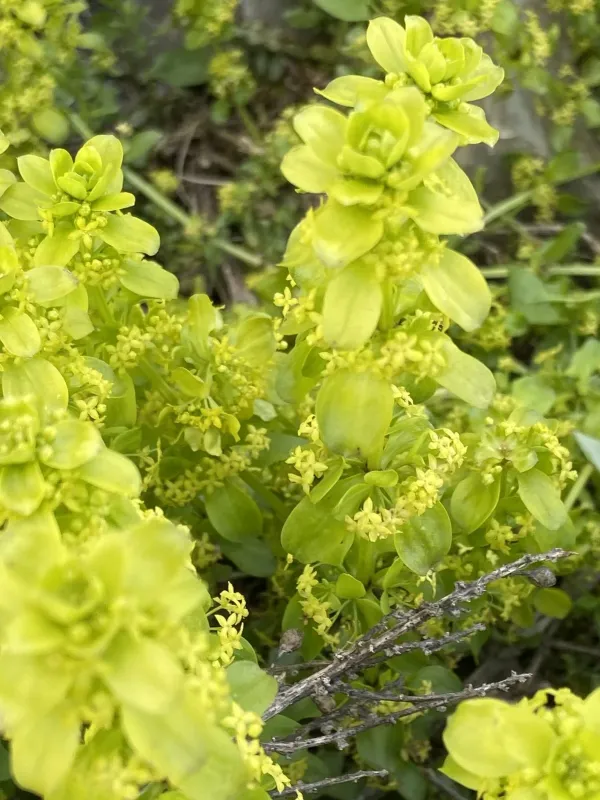
Description
Growing requirements
Cruciata taurica is a perennial herbaceous plant belonging to the Rubiaceae family. Native to the mountainous regions of Crimea and the Caucasus, it has adapted to harsh environmental conditions, making it an interesting candidate for specialized agricultural cultivation.
The plant thrives in well-drained, calcareous soils. It is particularly well-suited to stony, nutrient-poor substrates where other crops fail to establish. Proper soil drainage is critical, as the roots are sensitive to waterlogging during dormant periods.
Sunlight exposure is a major requirement for the healthy development of Cruciata taurica. It performs best in open, sunny fields where light penetration is unobstructed, which is essential for maximizing the biosynthesis of its phytochemical constituents.
Climatic adaptability is one of the key strengths of this species. It exhibits high drought tolerance, capable of sustaining growth during low-rainfall periods by optimizing its metabolic processes and reducing transpirational water loss.
Cultivation practices involve minimal intervention once established. Weed management is necessary during the early stages of the growth cycle to ensure the young seedlings are not outcompeted for space and nutrients, but mature stands are quite resilient.
Main diseases and pests
The primary threats to Cruciata taurica are fungal pathogens, specifically those causing root rot, such as Phytophthora species. These fungi proliferate in poorly drained soils, making site selection the most important factor in disease prevention.
Leaf-feeding insects represent a secondary threat. Integrated pest management (IPM) strategies, including the use of pheromone traps and beneficial predatory insects, are recommended to maintain ecological balance and prevent significant yield loss during the growing season.
Soil-borne pests like nematodes can impact the longevity of a stand. Crop rotation or the use of bio-fumigant cover crops prior to planting are effective methods for managing nematode populations in the soil.
Viral pathogens may be introduced through mechanical damage. Using sterile tools and maintaining clean equipment are essential practices for farmers to ensure the long-term health and productivity of the crop fields.
Regular diagnostic checks are vital for spotting early warning signs of distress. Early intervention using approved biological fungicides can save the crop from extensive damage if pathogen pressure increases unexpectedly during humid seasons.