
Piedmont crosswort
Cruciata pedemontana
Description
Sowing dates
Piedmont crosswort (Cruciata pedemontana) is primarily a wild-growing species, and organized agricultural sowing is rarely conducted. In its natural habitat, seed germination occurs after the winter dormant phase once soil temperatures stabilize in early spring.
The optimal time for natural emergence is April, when soil moisture is sufficient to support initial growth. The seeds are small and require minimal soil coverage to avoid burial too deep, which prevents successful germination.
For research or botanical conservation purposes, artificial sowing is performed in the autumn. This method ensures the seeds undergo the necessary cold stratification, significantly improving viability for the following spring season.
The choice of site for cultivation should focus on light, well-draining soils. The substrate must remain loose to allow the fragile radicle of the emerging seedling to penetrate the soil surface without resistance.
Mulching with a very thin layer of organic matter can protect the seeds from desiccation. Adequate spacing is essential for initial growth, as the plant spreads through horizontal development rather than deep vertical rooting.
Growing requirements
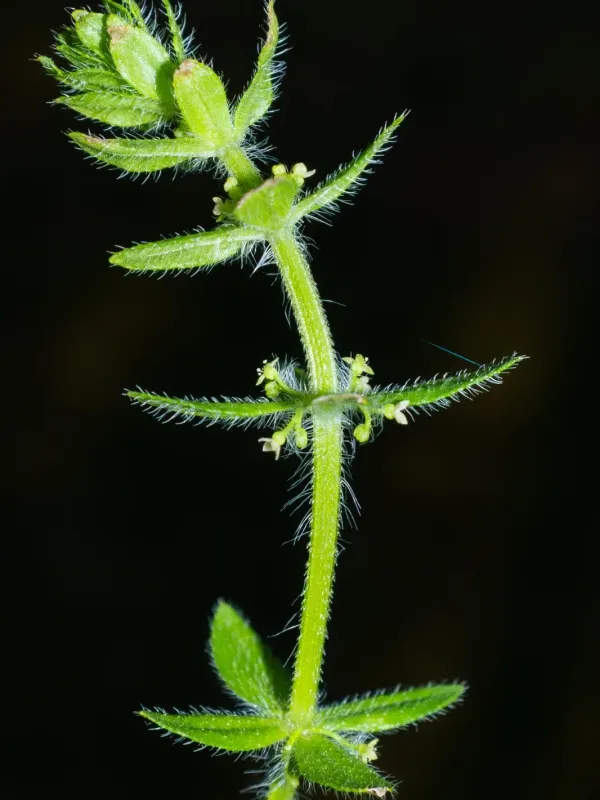
This species belongs to the Rubiaceae family and exhibits a distinct morphology with four-angled stems and whorled leaves. The plant is typically low-growing, forming mats that adapt well to various terrain types.
The native range encompasses the mountainous and southern European regions. The plant thrives in habitats characterized by calcareous soils, limestone cliffs, and dry meadows where sunlight is abundant throughout the day.
Climatically, the species is adapted to temperate conditions. It exhibits high resilience to seasonal droughts, which is a key physiological trait allowing it to colonize challenging, thin-soiled environments.
Regarding soil requirements, Cruciata pedemontana is a calciphile, preferring alkaline environments. Proper drainage is the most vital factor; heavy or waterlogged soils are detrimental to the plant’s longevity.
Cultivation practices should emphasize minimal disturbance. Because the plant is sensitive to competition, keeping the surrounding area free of aggressive invasive weeds is necessary for the plant to reach its full vegetative potential.
Main diseases and pests
Fungal diseases such as powdery mildew and leaf spots are common threats in environments with high humidity or poor ventilation. These pathogens primarily affect the foliage, reducing the plant's capacity for photosynthesis.
Pests, particularly aphids, can infest the tender shoots during the spring growth flush. These insects feed on plant sap, leading to stunted growth and potentially facilitating the entry of secondary viral or bacterial infections.
Root rot is a common issue when the soil remains overly saturated. Protecting the root system from water stress is the primary method of preventing these types of infections, which are often fatal to the species.
Manual monitoring is the most effective approach for detecting early signs of pest infestation. By maintaining a balance in plant density, growers can improve airflow and significantly reduce the likelihood of disease transmission.
Integrated pest management, focusing on physical removal and environmental control, is recommended over chemical interventions to preserve the natural health of the ecosystem where this plant is established.