
Purging croton
Croton tiglium L.
Description
Growing requirements
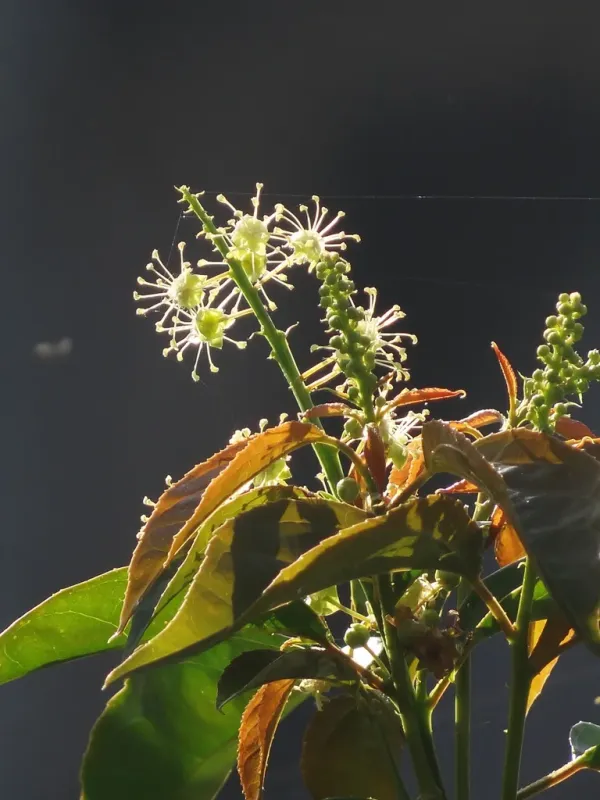
Purging croton (Croton tiglium L.) is a member of the Euphorbiaceae family, typically growing as a small evergreen tree or shrub. Native to Southeast Asia, it is widely distributed throughout tropical regions, thriving in warm and humid environments similar to its natural habitat.
The crop demands a tropical climate with high temperatures and consistent moisture levels throughout the year. It cannot tolerate frost, and even moderate cooling can significantly impair the physiological processes of the plant, making it unsuitable for cultivation in temperate zones without strict greenhouse control.
Successful cultivation requires deep, well-drained, and nutrient-rich soils. The plant is sensitive to waterlogging; therefore, maintaining an effective irrigation and drainage system is vital to prevent root decay. Regular application of organic matter is beneficial for soil structure and development.
The agrotechnical management of Croton tiglium focuses on optimizing light exposure and humidity. While seedlings prefer partial shade, mature plants require adequate sunlight to ensure healthy flowering and seed production. Pruning is often used to manage tree height and improve accessibility during the harvest.
Economically, the plant is valued for its seeds, which contain croton oil, a potent irritant and laxative. Historically, this oil was a significant commodity in traditional medicine and pharmaceutical preparations, though its use is currently heavily restricted due to its high toxicity and potency.
Main diseases and pests
Common pests affecting purging croton include spider mites and scale insects, which can severely damage the foliage and sap-conducting tissues. Fungal pathogens represent a significant threat to the plant's health, particularly in stagnant, high-humidity environments, leading to root rot and leaf spot diseases.