
Croton bonplandianus
Croton bonplandianus Baill.
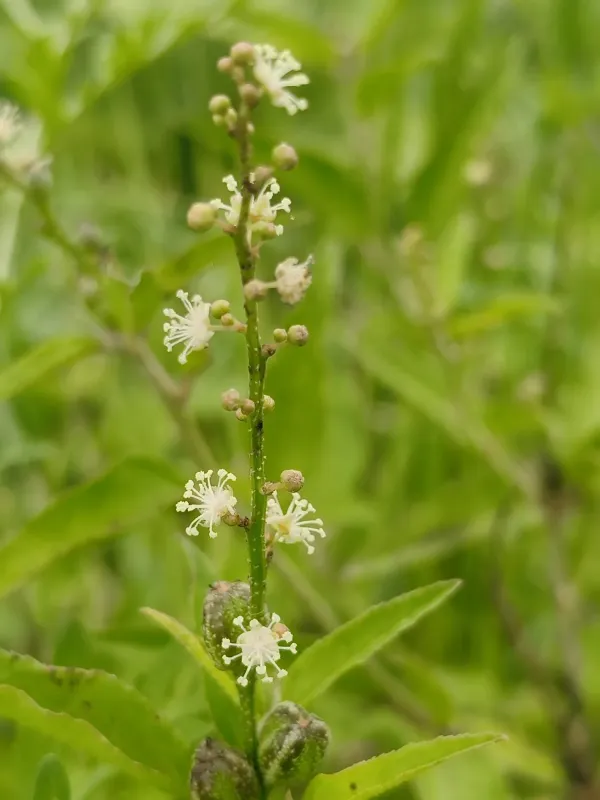
Description
Sowing dates
Croton bonplandianus is an annual herbaceous species belonging to the Euphorbiaceae family. The plant typically completes its life cycle within a single growing season, thriving in various ecological conditions.
The germination period is highly dependent on moisture availability and soil temperature. In its native habitat, seedlings emerge rapidly after the onset of the first rains, which break the dormancy of seeds stored in the soil.
Seed dispersal is facilitated by explosive dehiscence of the seed capsules, allowing the species to spread across agricultural lands effectively. This reproductive strategy makes it a highly invasive species in some cultivated areas.
Agronomic control efforts must focus on eliminating seedlings during the early stages of development. Regular harrowing and the use of post-emergence herbicides are effective methods for managing populations in agricultural fields.
It is essential to monitor fields continuously, as the soil seed bank can remain viable for several years, leading to recurring infestations if not managed consistently over time.
Growing requirements
The crop thrives in well-drained, fertile soils, although it shows remarkable adaptability to various soil types, including sandy and clay loams. Proper aeration is crucial for the optimal development of its taproot system.
Regarding climate, Croton bonplandianus requires high solar radiation and warm temperatures to maximize its physiological processes. It is highly sensitive to frost, which can cause total biomass loss.
Water requirements are moderate; however, the plant exhibits better growth under consistent rainfall patterns during the vegetative stage. Drought tolerance is relatively high compared to many other annual crops.
Cultural practices should include frequent inter-row cultivation to minimize competition with desirable crops. Nitrogen management is important, as excessive fertilization may stimulate excessive vegetative growth at the expense of potential medicinal yields.
Sustainable production requires balancing the plant's nutritional needs with the environmental conditions. Providing adequate space between plants is also recommended to ensure proper airflow and light penetration.
Main diseases and pests
Fungal pathogens represent the most significant threat to the crop, particularly in humid environments. Leaf spots caused by various fungi can lead to significant photosynthetic loss and stunted plant growth.
Spider mites are the most common pests, often colonizing the undersides of leaves during hot and dry spells. Their feeding activity causes yellowing, chlorosis, and eventual leaf abscission, significantly weakening the plant.
Mealybugs can also pose a problem by secreting honeydew, which promotes the growth of sooty mold. This can further compromise the health of the plant by covering leaf surfaces and inhibiting gas exchange.
Integrated Pest Management (IPM) strategies are recommended, utilizing biological controls such as predatory mites and targeted, low-toxicity insecticides during the early infestation phases.
Maintaining high levels of field hygiene, such as clearing debris after the harvest or destroying infected biomass, is critical for reducing the inoculum density of both pathogens and insect pests.