
Croton lundianus
Croton lundianus Müll. Arg.
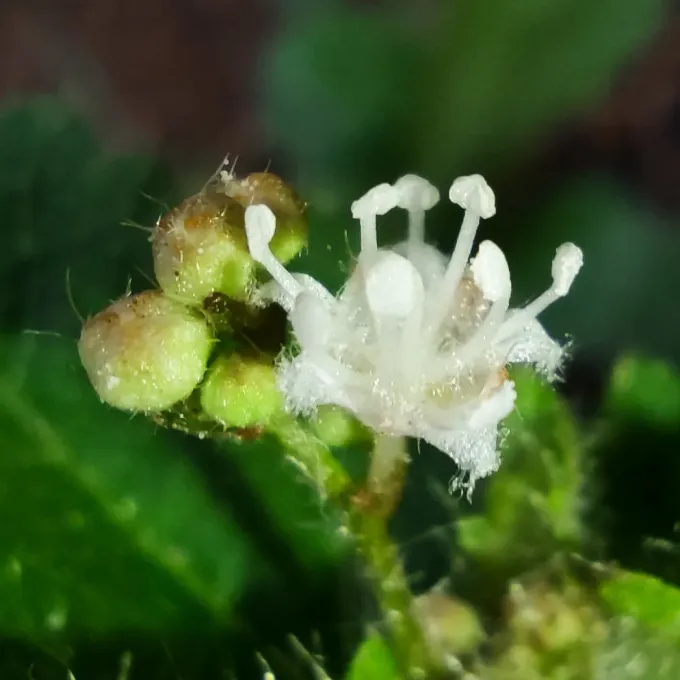
Description
Growing requirements
Croton lundianus is a notable species belonging to the Euphorbiaceae family. Originating from the tropical landscapes of South America, this plant is well-adapted to warm, humid environments where it thrives as a perennial woody shrub.
The crop requires well-drained, nutrient-rich soil to reach its full development potential. Maintaining a neutral to slightly acidic pH level is essential for optimal nutrient uptake and general plant health throughout the growing cycle.
Climate requirements for this species include consistent tropical temperatures. It is highly intolerant of frost, and exposure to cold winds can cause significant physiological stress, impacting growth and metabolic rates.
Adequate water management is crucial. While the plant appreciates regular moisture, avoiding waterlogged conditions is paramount to prevent root rot. Supplemental irrigation is often necessary in regions with distinct dry seasons.
Economically, species within the Croton genus are often valued for their phytochemical diversity. Researchers study these plants for potential applications in pharmacology, as their tissues may contain unique secondary metabolites.
Main diseases and pests
The most common pests affecting Croton lundianus are spider mites and mealybugs. These organisms typically inhabit the underside of leaves, leading to chlorosis, stunted growth, and general decline in plant vigor.
Fungal pathogens, particularly those causing root rots, present a significant threat in poorly managed fields. These diseases are often facilitated by excessive moisture and poor soil aeration, creating an environment favorable for Fusarium or Pythium.
Preventive agricultural practices include maintaining proper plant spacing to ensure adequate airflow and sunlight penetration. This reduces the humidity levels within the canopy, limiting the spread of fungal spores.
Regular inspection of the crop is necessary to identify early symptoms of pest colonization. Using integrated pest management (IPM) strategies, including biological controls, is highly recommended to protect the crop.
If chemical interventions are necessary, they must be selected with caution to avoid environmental degradation and the potential development of pest resistance, always adhering to established safety guidelines.