
Tropic croton
Croton glandulosus L.
Description
Sowing dates
Tropic croton, scientifically known as Croton glandulosus, is an annual herb within the Euphorbiaceae family. In agronomic contexts, it is primarily recognized as a persistent weed species that thrives in various cropping systems across warm regions.
The life cycle begins with seed germination during the spring months once soil temperatures reach adequate levels. Its ability to produce high quantities of viable seeds ensures that the species can quickly dominate fallow land or poorly managed fields.
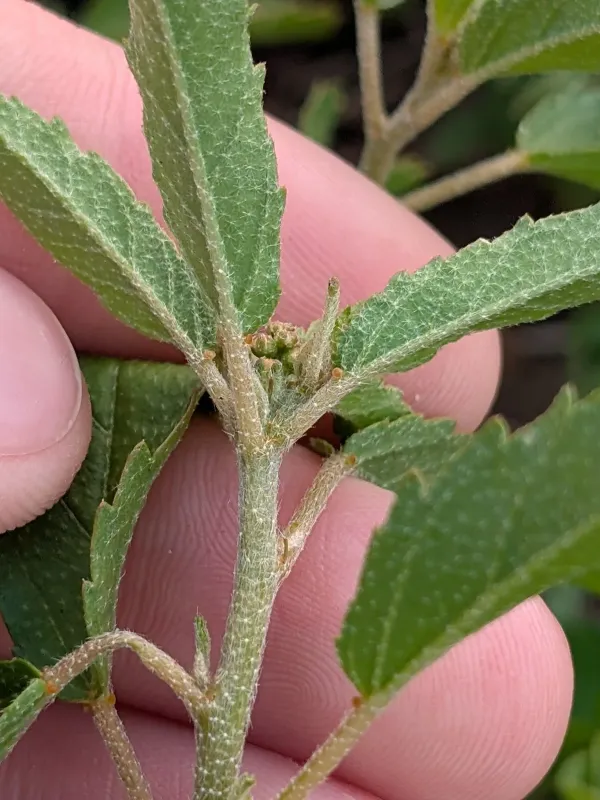
Botanically, the plant is characterized by its glandular stipules at the base of the leaves, which provide a distinct taxonomic identification feature. It grows as an upright, branched herb with a strong root system designed for efficient nutrient uptake.
Originally native to parts of the Americas, this species has successfully naturalized in numerous agricultural landscapes. Its environmental plasticity allows it to adapt to diverse soil types and varying levels of moisture availability.
Understanding the development stages of Croton glandulosus is essential for timely agricultural interventions. Its rapid transition from germination to seed production requires a proactive approach to prevent infestations in commercial crops.
Growing requirements
The species is highly adaptable regarding light exposure, though it shows maximum photosynthetic efficiency in full sun. While it can survive in partial shade, such conditions often reduce its overall biomass and reproductive potential.
Soil requirements are relatively modest, as the plant successfully colonizes light sandy soils and loamy textures. It shows a preference for well-drained conditions, avoiding areas with prolonged waterlogging or anaerobic soil environments.
Moisture availability is critical during the seedling establishment phase. While the plant possesses moderate drought tolerance, sustained periods of water deficit can trigger early flowering, shortening its vegetative growth cycle.
Temperature is the primary driver for its rapid spread. It performs best under warm summer temperatures, making it a significant competitor for resources in row crops that share the same peak growing season.
Management techniques should focus on mechanical control such as inter-row cultivation and the use of competitive cover crops. These methods help suppress germination by creating canopy shade and disrupting the seed bank cycle.
Main diseases and pests
Fungal diseases, particularly powdery mildew, represent a significant threat to the plant's leaf health, especially in high-humidity environments. Severe infections can lead to premature leaf drop and reduced plant vigor.
Pests such as spider mites and various aphid species frequently infest the foliage, causing extensive damage through sap extraction. These pests weaken the plant and can serve as vectors for various secondary viral or bacterial infections.
Root-knot nematodes can interfere with nutrient absorption, leading to stunted growth. Effective management involves maintaining healthy soil structures and using integrated pest management strategies to keep populations below threshold levels.
Chemical control options often include systemic herbicides, which must be applied during the early growth stages to ensure effectiveness. However, environmental regulations and the protection of non-target species must always be considered.
Ongoing monitoring of field borders and irrigation channels is vital for long-term control. Early detection of Croton glandulosus populations prevents the spread of seeds into main crop areas, protecting potential yields.