
Crossandra pungens
Crossandra pungens
Description
Growing requirements
Crossandra pungens is a decorative species belonging to the Acanthaceae family. Originating from the tropical regions of East Africa, this plant has gained attention as a specialized ornamental crop requiring precise environmental control to thrive in professional horticultural settings.
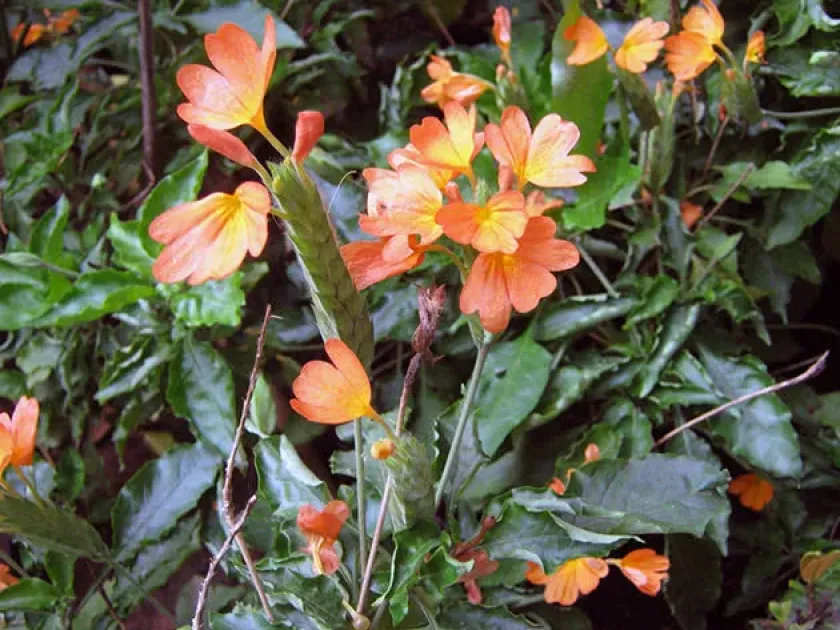
The plant is characterized by its glossy, dark green foliage and spikes of vibrant, distinct flowers. Its botanical structure is adapted to the forest understory, which dictates its specific needs regarding light intensity and humidity levels throughout the year.
Successful cultivation requires a stable temperature range between +20 °C and +26 °C. Even minor deviations, particularly exposure to cold drafts, can cause significant physiological stress, resulting in stunted growth or premature flower drop.
Soil management for Crossandra pungens focuses on providing an acidic, well-draining substrate. The ideal growing medium consists of a blend of sphagnum peat and perlite, ensuring that the roots have access to oxygen while maintaining constant, light moisture levels.
Irrigation must be precise, utilizing soft, room-temperature water. Over-watering is the most common cause of crop failure, as the root system is highly susceptible to hypoxia and secondary infections when waterlogged for extended periods.
Main diseases and pests
Common pests associated with Crossandra pungens include spider mites and mealybugs. These pests are particularly aggressive in controlled environments where low humidity levels provide optimal conditions for their rapid proliferation and subsequent crop damage.
Pathogenic threats primarily stem from fungal infections such as root rot and leaf spot. These diseases are typically opportunistic, thriving in environments with poor air circulation, high humidity, and improper irrigation practices that lead to stagnant water.
Integrated Pest Management (IPM) strategies are highly recommended for large-scale production. This includes the use of predatory mites to control spider mite populations and strict sanitation protocols to ensure the greenhouse remains free of secondary host plants.
Fungal disease mitigation involves consistent monitoring of the substrate moisture and the application of preventative fungicides when environmental conditions favor disease development. Adequate ventilation and airflow are essential to reduce the risk of powdery mildew.
Standard quarantine procedures for new plant material are vital to prevent the introduction of viral or bacterial pathogens. By maintaining strict hygiene and professional care standards, growers can ensure the longevity and productivity of the crop.