
Crossandra nilotica
Crossandra nilotica
Description
Sowing dates
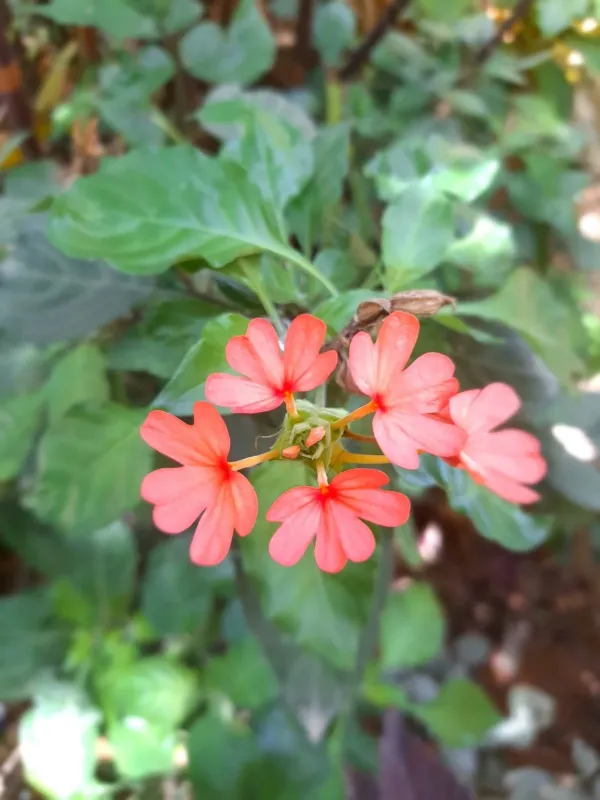
Crossandra nilotica is a perennial semi-shrub belonging to the Acanthaceae family. Originally from the tropical regions of East Africa, this species is highly valued for its striking, spike-like inflorescences and vibrant, deep orange or reddish blooms.
Seed propagation requires high humidity and a consistent temperature range of 22–25 degrees Celsius. Sowing is best performed in early spring, using a well-draining, peat-based substrate to ensure that the delicate seedlings do not suffer from damping-off.
When starting from seed, it is crucial to maintain a sterile environment to prevent fungal pathogens from attacking the young plants. Covering the germination trays with clear plastic can help maintain the required microclimate until the seeds sprout.
Commercial growers often prefer vegetative propagation via stem cuttings. Cuttings of approximately 8–10 centimeters are taken from healthy, mature plants and placed in a moist medium, often treated with rooting hormones to accelerate establishment.
The biological nature of this crop makes it a popular choice for intensive greenhouse production. It is characterized by its compact, bush-like habit and its ability to bloom repeatedly when provided with optimal light and nutrient levels.
Growing requirements
The optimal climate for Crossandra nilotica involves stable, warm temperatures ranging from 20 to 28 degrees Celsius. Exposure to temperatures below 15 degrees Celsius can cause significant physiological stress, including leaf yellowing and shedding.
While the plant thrives in bright light, it must be protected from direct, harsh sunlight, which can scorch the foliage. Filtered or indirect light is ideal for maintaining the plant’s vibrant green leaf color and stimulating consistent flower production.
Soil requirements focus on a slightly acidic to neutral pH level. A high-quality growing medium should include a blend of organic peat, perlite, and humus to provide excellent aeration and moisture retention without allowing for waterlogging.
Regular but moderate irrigation is essential for this crop. The surface of the soil should be allowed to dry slightly between watering sessions, as excessive moisture can rapidly damage the root system and lead to crown rot.
Nutrient management involves applying balanced liquid fertilizers during the active growing season. A higher potassium content is often recommended to support the development of heavy inflorescences and improve the overall longevity of the blooms.
Main diseases and pests
Spider mites, aphids, and mealybugs are the most common pests affecting Crossandra nilotica. These insects tend to flourish in the warm, dry air often found in indoor environments, requiring constant vigilance and early intervention.
Root rot and stem rot are the primary pathological threats, usually caused by poor drainage or overwatering. These diseases compromise the plant's vascular system, often making the damage irreversible once symptoms become visible on the leaves.
Integrated pest management strategies should include regular monitoring and the application of systemic pesticides when pest thresholds are exceeded. Keeping the foliage clean and maintaining optimal humidity can also act as natural deterrents.
Preventive agronomic practices are critical for managing soil-borne diseases. Ensuring the use of sterile containers, pots with efficient drainage systems, and high-quality, disease-free media is the most effective approach to protection.
In cases of localized infection, immediate removal and destruction of the affected plant parts are necessary to prevent the spread of spores. Regular inspections of the undersides of leaves are recommended to detect pests before they reach an epidemic level.