
Crossandra massaica
Crossandra massaica
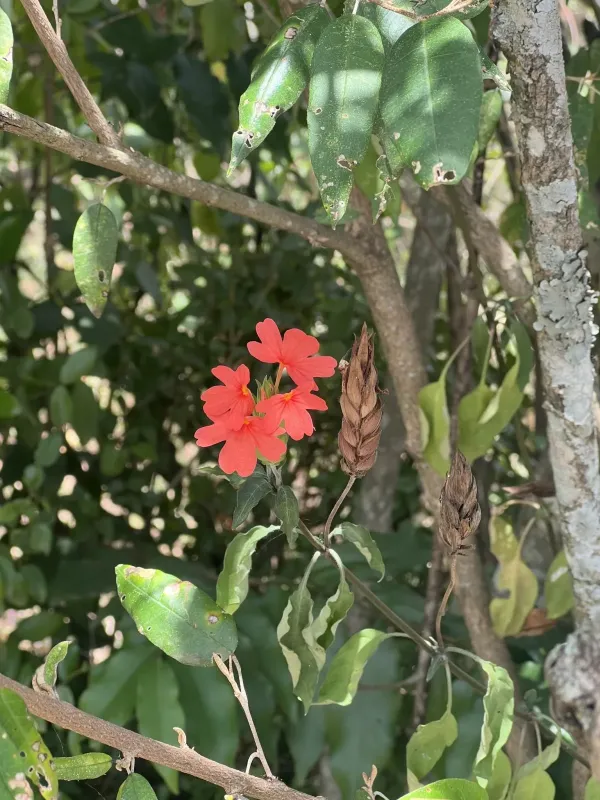
Description
Growing requirements
Crossandra massaica is an ornamental species belonging to the Acanthaceae family. It is highly valued in horticulture for its vibrant, orange-toned flowers and dense, dark green foliage, which makes it a popular choice for commercial floriculture.
Native to East Africa, this plant thrives in tropical climates. It is cultivated as an indoor or greenhouse crop, requiring stable environmental conditions to maintain its aesthetic and commercial value throughout the growing season.
For optimal development, Crossandra requires bright, indirect sunlight. Exposure to harsh, direct sunlight can lead to leaf scorch, while insufficient light levels will significantly reduce flowering density and plant vigor.
The soil requirements involve a well-draining, nutrient-rich potting medium, typically based on high-quality peat mixed with perlite. Maintaining a soil pH between 5.5 and 6.5 is crucial for efficient nutrient uptake by the roots.
Temperature management is vital; the ideal range is 20°C to 25°C. As a tropical plant, it demands high humidity levels, often requiring misting or the use of automated fogging systems in commercial greenhouse environments.
Main diseases and pests
Common pests affecting Crossandra massaica include spider mites and whiteflies. These pests are particularly problematic in dry greenhouse environments, necessitating regular monitoring and integrated pest management strategies.
Root rot is the most significant disease risk, typically caused by overwatering or poor drainage. Preventing stagnant water around the root zone is the primary method of maintaining plant health and longevity.