
Crinum mauritianum
Crinum mauritianum
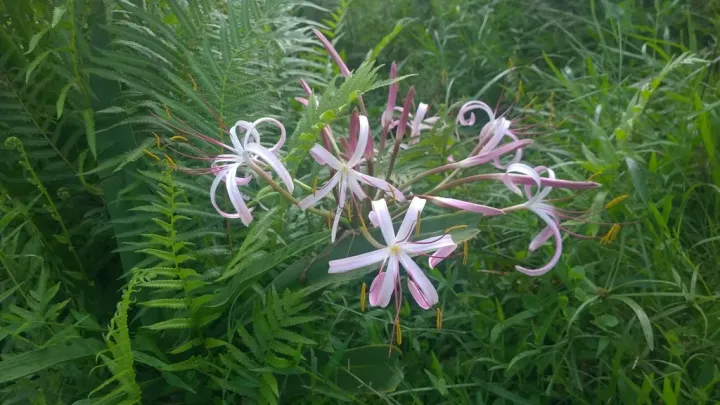
Description
Growing requirements
Crinum mauritianum is a rare perennial bulbous plant belonging to the Amaryllidaceae family. Endemic to the island of Mauritius, it represents a unique botanical lineage that requires specific environmental conditions for healthy development.
The species naturally thrives in humid tropical habitats, often associated with riparian or marshy environments. Its biological structure is designed to store nutrients in a large, fleshy bulb, ensuring survival during short periods of environmental stress.
Agricultural cultivation requires consistent temperatures ranging between 20°C and 28°C. Cold stress is highly detrimental to the plant, and maintaining a tropical microclimate is essential for continuous vegetative growth.
Optimal growth medium should be a well-aerated, organic-rich substrate with excellent drainage properties. A slightly acidic to neutral pH is preferred to ensure optimal nutrient uptake by the root system.
Adequate lighting is crucial for the photosynthesis of this species, requiring bright but diffused light. Direct exposure to intense midday sun can cause foliage dehydration and physiological damage, necessitating the use of shading systems in greenhouse settings.
Main diseases and pests
The primary pests affecting Crinum mauritianum include scale insects and mealybugs, which tend to infest the leaf axils and the upper part of the bulb. Regular manual monitoring is highly recommended.
Root rot and bulb rot are the most significant threats, typically occurring due to overwatering or poor drainage systems. Once the bulb begins to decay, the plant is difficult to save without professional intervention.
Fungal pathogens such as Fusarium can severely damage the plant tissues. Implementing a strict irrigation schedule and ensuring good air circulation are the best defensive measures against these pathogens.
Nematode infestations can destroy the root system from within, leading to rapid decline. Using only sterilized growing media and clean pots is essential to prevent the spread of soil-borne pathogens.
Preventative applications of fungicides and systemic insecticides during the peak growing season help maintain the plant's health and prevent widespread outbreaks of pests or diseases.