
Crinum kirkii
Crinum kirkii
Description
Sowing dates
Crinum kirkii is a perennial bulbous plant belonging to the Amaryllidaceae family. Native to tropical regions of East Africa, this species has adapted to seasonal climates where it thrives in well-drained soils during the wet season.
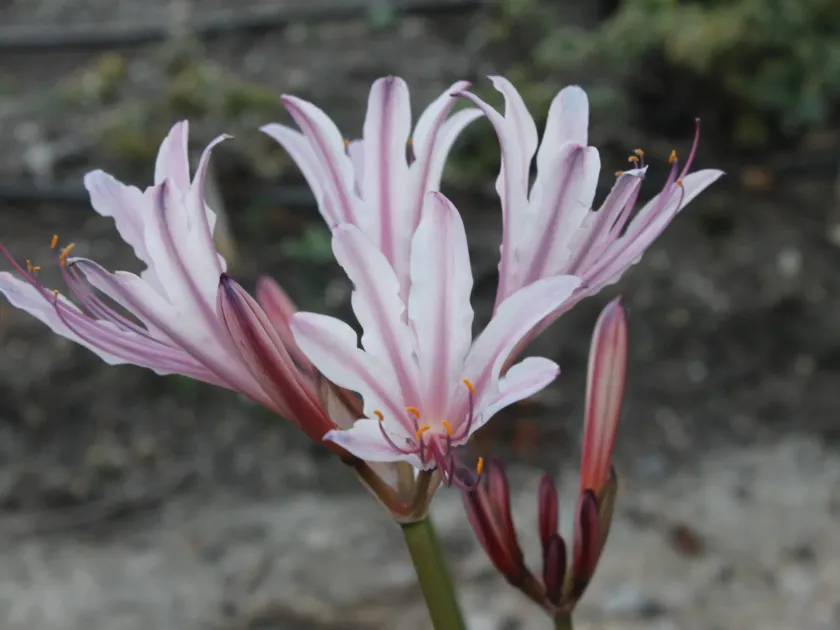
The plant is characterized by a large, showy bulb that partially emerges above the soil level, and long, strap-shaped leaves often featuring a distinct white midrib. The flowering phase produces an impressive umbel of large, fragrant, white-and-pink flowers on a stout scape.
Propagation is typically carried out vegetatively by separating offset bulbs from the parent plant. This method is preferred in both horticultural and home gardening settings to ensure the true-to-type characteristics of the maternal bulb are preserved.
When planting, it is crucial to position the bulb so that it remains one-third to one-half exposed above the soil surface. Proper planting depth prevents bulb rot, which is a common hazard caused by moisture accumulation around the basal plate in poorly drained environments.
The ideal growing medium consists of a light, porous soil mix enriched with organic matter, such as compost or well-rotted manure, mixed with coarse sand or perlite to guarantee the rapid drainage necessary for the health of this tropical species.
Growing requirements
Crinum kirkii requires bright, indirect to direct sunlight for optimal growth and flowering. In temperate regions, it is often grown in greenhouses or as a seasonal container plant to take advantage of high solar radiation levels during the summer months.
Temperature management is vital, as the species is not frost-tolerant. It requires warm growing conditions, ideally between 22 and 28 degrees Celsius, to support active leaf development and the initiation of the flower spike during the peak growing season.
Watering should be frequent and consistent throughout the growing cycle, ensuring the substrate remains moist but never waterlogged. As the plant approaches its natural dormancy period in autumn, irrigation should be gradually reduced to allow the bulb to rest.
Fertilization with balanced NPK fertilizers is recommended during the vegetative stage. High-potassium formulas are particularly beneficial for improving the size and longevity of the blooms, as well as strengthening the bulb’s energy reserves for the following season.
Repotting is required only when the bulb occupies the majority of the pot’s capacity, as Crinum species often bloom better when their root systems are slightly crowded. Using wide, stable pots is advisable to support the weight of the foliage and the long flower stalks.
Main diseases and pests
The most common pests affecting Crinum kirkii are mealybugs, scale insects, and spider mites. These pests thrive in dry indoor air or crowded conditions, clustering in the leaf axils and damaging the plant by feeding on its vascular fluids.
Fungal issues, primarily Fusarium wilt or red leaf spot, can occur if the growing conditions are too humid with poor airflow. These pathogens can cause soft rot of the bulb, which, if left untreated, often proves fatal to the plant specimen.
Management of diseases involves the removal of any compromised tissue, followed by treatment with broad-spectrum fungicides. Preventive hygiene, such as cleaning the leaves and ensuring proper spacing between plants, is essential to minimize the risk of recurring infections.
Overwatering is the primary cause of physiological stress in this species. By avoiding the accumulation of water in the neck of the bulb, gardeners can significantly lower the risk of bacterial soft rot and other soil-borne diseases that frequently plague bulbous plants.
Maintaining a clean growing environment is a key factor in protecting the plant. Regular inspection of the bulb and root health ensures that any signs of distress are identified early, allowing for effective intervention and long-term health of the culture.