
Couepia polyandra
Couepia polyandra
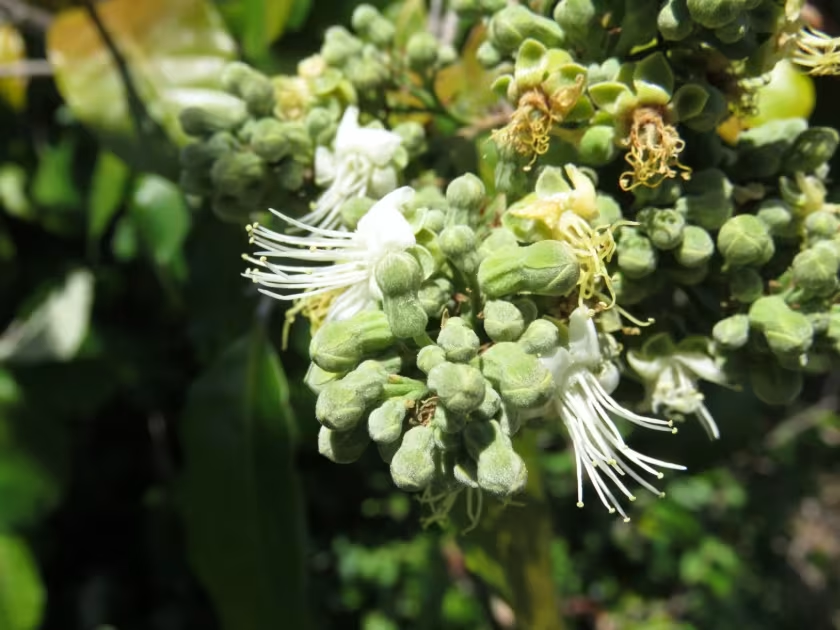
Description
Growing requirements
Couepia polyandra, commonly known as olivo, is a perennial evergreen tree species belonging to the Chrysobalanaceae family. It is native to the tropical regions of Mexico and Central America, where it thrives in humid, warm environments.
The tree requires a tropical climate to reach its full productive potential. It is highly sensitive to frost, which limits its commercial cultivation to frost-free zones where average annual temperatures remain consistent and high throughout the year.
Soil requirements for Couepia polyandra include well-drained, nutrient-rich substrates. While the plant can grow in a variety of soils, the optimal agricultural performance is observed in deep, fertile loams that do not retain excess water, which could lead to root decay.
Agrotechnical management involves careful pruning during the early years to establish a strong structural canopy. As the tree matures, regular maintenance is needed to ensure adequate light penetration, which is vital for both vegetative growth and fruit set.
The fruit of Couepia polyandra is typically consumed fresh, providing a sweet flavor and dense texture. Its potential in commercial fruit production is significant in its native range, where it is often grown in smallholdings and managed as a high-value orchard crop.
Main diseases and pests
The plant can be susceptible to various sap-sucking insects, such as scale insects and aphids, which gather on the undersides of leaves and on soft stems, potentially hindering the plant's overall development and vigor.
Fungal pathogens remain the primary biological threat, especially in areas with high annual rainfall. Diseases such as leaf spots and powdery mildew can affect the canopy, reducing fruit quality and the tree's resilience during the ripening season.
Proper orchard management, including consistent monitoring and sanitation, is crucial to minimize the impact of pests. Clearing leaf litter and disposing of infected material helps in breaking the life cycle of many common tropical pathogens.
Root health is paramount, and soilborne diseases often stem from inadequate drainage. To mitigate these risks, irrigation systems must be carefully calibrated to ensure that soil moisture remains within optimal ranges without causing saturation.
Integrated Pest Management (IPM) strategies are highly recommended to balance the health of the orchard with environmental conservation. This includes the use of biological controls and selective cultural practices to minimize chemical intervention.