
Couepia bracteosa
Couepia bracteosa
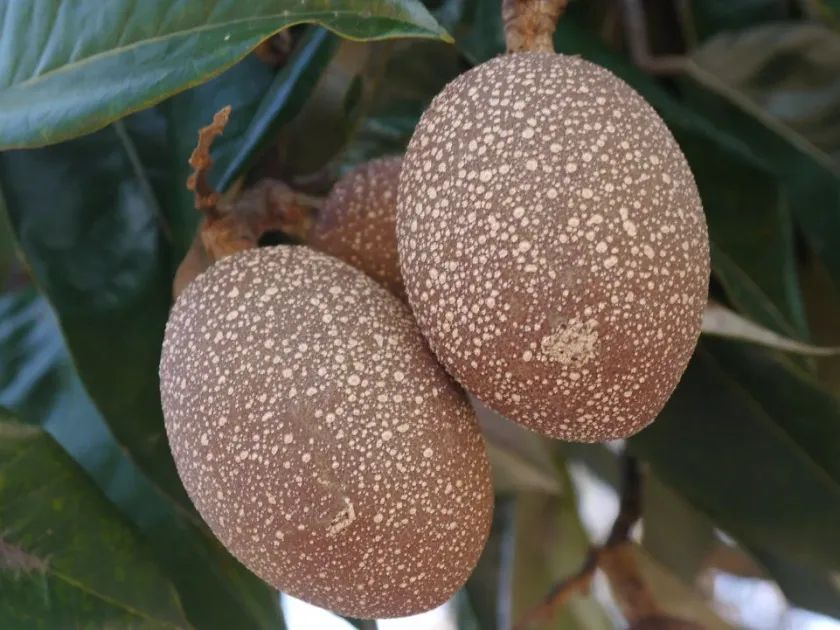
Description
Sowing dates
Couepia bracteosa is a tropical tree species, and in its natural habitat, it propagates primarily through seeds. The seeds demonstrate high viability, but they require a specific dormancy period before they are ready for germination.
In cultivation, seeds are sown in prepared containers filled with well-drained substrate, rich in organic matter. The optimal temperature for successful germination should be maintained between 25 and 30 degrees Celsius.
Once the first true leaves emerge, the seedlings require protection from harsh midday sun. Transplanting young trees to their permanent location is typically conducted at the beginning of the rainy season to ensure optimal establishment.
Planting holes must be sufficiently deep to avoid restricting the development of the taproot. It is important to maintain adequate spacing between trees, as mature specimens can reach significant dimensions in crown diameter.
Regular watering during the rooting stage is a critical factor for the successful formation of the Couepia root system during the first two years of its life.
Growing requirements
Belonging to the Chrysobalanaceae family, Couepia bracteosa naturally prefers the humid tropical forests of South America, particularly the Amazon basin. This plant demands stable high temperatures and high air humidity throughout the entire growing season.
Regarding soil conditions, the crop has specific requirements: it prefers deep, loamy, or sandy soils with excellent aeration and drainage. The plant poorly tolerates waterlogging, which can easily lead to root system decay.
A slightly acidic soil pH is preferred, which is typical for many regions of its natural distribution. Incorporating organic fertilizers into the root zone promotes more vigorous growth and improves overall fruit quality.
For optimal photosynthesis, the tree requires good light exposure; however, young specimens need partial shade. Mature trees are capable of tolerating full sun provided that soil moisture remains sufficient.
The plant possesses moderate resistance to short dry periods, but to maintain industrial productivity, regular irrigation or the presence of groundwater at an accessible depth is necessary.
Yield
The fruits of Couepia bracteosa, commonly known as "pacuari", are drupes with a fleshy pulp and highly nutritious seeds. Yield potential is heavily dependent on the tree's age, light availability, and the general ecosystem health.
Fruiting typically commences five to seven years after planting the seedling. The productive lifespan of the tree can span several decades provided it receives proper care and protection against pathogens.
The average yield from a single mature tree can reach several dozen kilograms of fruit. It is important to note that the crop may exhibit biennial bearing or periodicity, which is characteristic of many forest trees in tropical belts.
The economic value of the fruit lies in the high oil and protein content of the seeds. This makes Couepia a promising crop for local consumption and the development of sustainable agroforestry systems.
Harvesting is performed manually after the natural drop of the fruits, which ensures that the seeds have reached their maximum biological maturity.
Main diseases and pests
Like many other tropical species, Couepia bracteosa is susceptible to fungal infections, especially under high humidity. Root rot (Phytophthora) is one of the most serious threats when drainage is poorly managed.
Pests, such as weevils and various types of caterpillars, can damage both the foliage and the developing fruits. Integrated pest management includes population monitoring and the application of biological control agents.
Damage to the wood by stem-boring insects can significantly weaken the tree, making it vulnerable to secondary infections. Regular sanitary pruning helps minimize the risks of disease spread.
Weed growth in the root zone can compete for nutrients, making mulching an essential practice. This not only suppresses weeds but also helps maintain the required soil moisture level.
Micronutrient deficiencies, such as magnesium or zinc, can manifest as leaf chlorosis, requiring timely foliar applications to maintain plant vigor.
Harvesting
Harvesting Couepia bracteosa requires careful monitoring of maturity levels. Fruits are collected as they ripen and fall to the ground, which indicates that the seeds are ready for consumption.
Once collected, the fruits must be cleaned of their pulp as quickly as possible to prevent fermentation or spoilage of the valuable seeds due to moisture and fungal development.
After cleaning, the seeds undergo thorough drying in the shade with good ventilation. This prevents mold growth and extends their shelf life for later use.
Storage of the seeds requires dry, cool environments with protection from pests, especially rodents and insects that may damage the lipid fraction of the product.
For industrial processing, it is important to sort fruits by size and weight, which simplifies downstream processing and enhances the market appeal of the final product.