
Couepia chrysocalyx
Couepia chrysocalyx
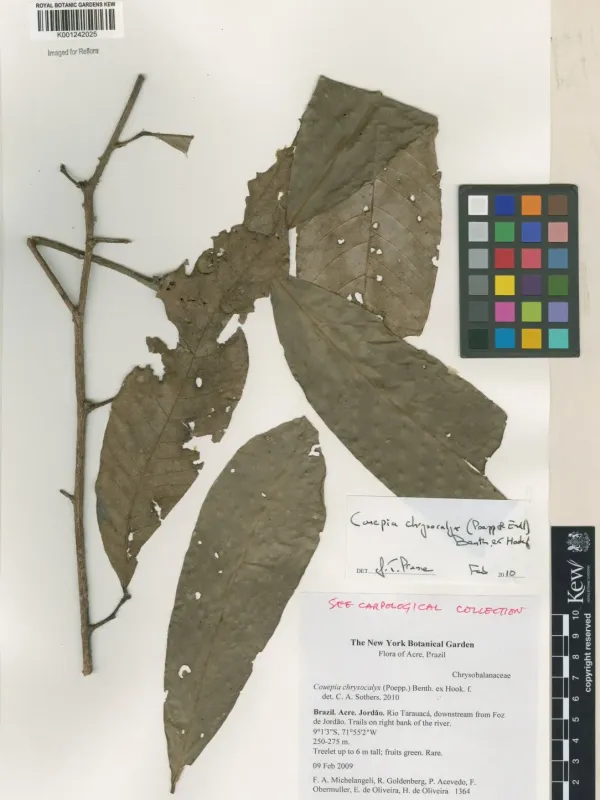
Description
Sowing dates
Couepia chrysocalyx is typically propagated through seeds, which must be sown immediately after harvesting. Due to their high oil content, the seeds lose viability quickly if stored improperly or for extended periods.
The seeds are placed in a well-draining, nutrient-rich substrate. Consistent moisture is crucial during the germination phase, and the soil temperature should ideally stay within a tropical range of 25–28 degrees Celsius.
Planting depth is kept between 3 and 5 centimeters to allow for optimal shoot emergence. Irregular germination is common, so growers should maintain a stable, humid environment for the seedbeds.
Seedlings require partial shade during their early growth stages to protect them from the intense tropical sun. This protective measure prevents heat stress and helps in establishing a strong root system before transplantation.
Acclimatization of the seedlings is a vital step before moving them to their permanent location. Gradually exposing the young plants to full light ensures they are robust enough to withstand the outdoor environment.
Growing requirements
As a member of the Chrysobalanaceae family, this species thrives in humid tropical forest environments. It requires consistent annual temperatures and high atmospheric humidity to reach its full growth potential.
The ideal soil for Couepia chrysocalyx is acidic to neutral, light, and well-drained. Avoiding waterlogging is essential, as the roots are highly susceptible to rot when kept in anaerobic soil conditions.
The plant demonstrates a significant need for regular irrigation, especially during months with lower precipitation. Despite this requirement for water, the planting site must provide excellent drainage to keep the soil structure breathable.
Full sun exposure is preferred by mature trees, which encourages fruit production and better canopy development. In the early years, managing the light exposure is necessary to balance growth and prevent leaf scorch.
Wind protection is another important aspect of site selection. Strong, constant winds can cause physical damage to the branches and foliage, potentially affecting the plant's overall health and yield.
Yield
The agricultural value of Couepia chrysocalyx lies primarily in its edible fruit, which is highly appreciated in its native range. Achieving a good yield requires proactive management of the orchard and tree maintenance.
Harvesting should be timed carefully with the visual maturity of the fruit. As the fruits are relatively perishable, efficient logistics and rapid movement from the field to the market are necessary to maintain quality.
Regular pruning of the tree canopy is necessary to promote fruit-bearing branches and improve accessibility for workers. By keeping the canopy open, light penetration is maximized, which contributes to higher productivity.
Manual harvesting is the standard practice, as the fruit skin is delicate and prone to bruising. Bruised fruit loses market value rapidly and has a much shorter shelf life compared to intact specimens.
Post-harvest storage should be done in cool, humid conditions to extend the fruit's freshness. Because the fruit is sensitive to temperature changes, avoiding exposure to direct heat or cold storage extremes is key.
Main diseases and pests
The primary threats to Couepia chrysocalyx involve fungal infections of the root system, often exacerbated by poor drainage. Preventing stagnant water is the most effective way to minimize these risks.
Leaf-feeding insects represent the most common category of pests for this species. Integrated pest management, focusing on early detection and biological control, helps keep these populations below the economic injury level.
High planting densities can lead to increased disease pressure due to poor airflow and excessive humidity within the canopy. Following recommended spacing guidelines ensures adequate ventilation and disease resistance.
Preventive maintenance, including the removal of deadwood and clearing weeds from the base of the trees, is standard practice. Such hygiene practices limit the availability of niches for pest colonization.
If pathogens are identified, immediate sanitation and improving the local environmental conditions are necessary. Avoiding excessive nitrogen fertilization can also reduce the vulnerability of the tree to certain insect pests.