
Couepia longipendula
Couepia longipendula
Description
Growing requirements
Couepia longipendula is a robust evergreen tree species belonging to the Chrysobalanaceae family. Native to the Amazon basin, it thrives in deep, tropical rainforest environments characterized by constant humidity and year-round high temperatures.
The plant requires deep, fertile, and well-drained soils to support its extensive root system. It does not tolerate prolonged drought or waterlogging, necessitating a balanced environment that mimics its natural habitat within the tropical forest canopy.
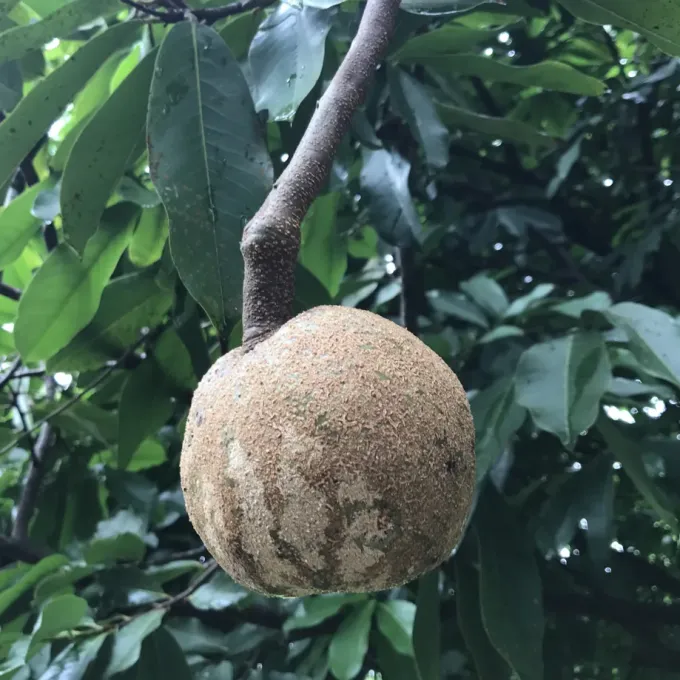
Botanically, the species is defined by its distinctively long peduncles, which support the flowers and subsequent fruits. The tree forms a dense, evergreen canopy that provides significant biomass and helps maintain soil moisture, which is critical for its long-term health in tropical plantations.
The primary economic interest lies in the seeds, which are highly valued for their oil content. These oils are used traditionally in local cuisine and hold potential for broader applications in the cosmetic and bio-fuel sectors, provided sustainable harvesting techniques are applied.
Cultivation practices for this species are still primarily based on traditional agroforestry models. Future developments in farming this tree will likely focus on optimizing spacing and integrating it into diverse food forests to ensure healthy growth and sustainable yield without depleting the rainforest ecosystem.