
Corokia macrocarpa
Corokia macrocarpa
Description
Growing requirements
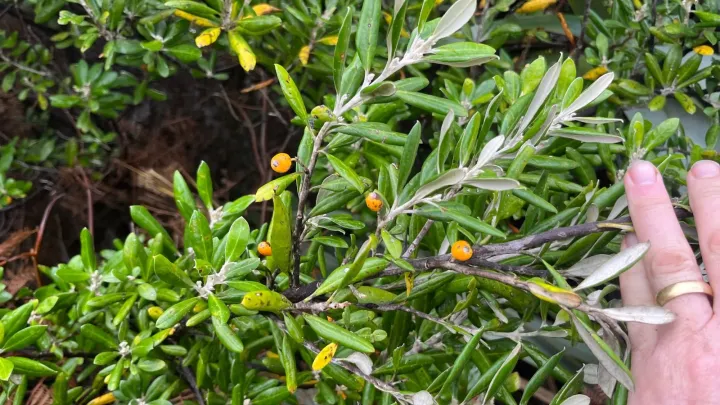
Corokia macrocarpa is an evergreen shrub belonging to the Argophyllaceae family. Native to the Chatham Islands, it is highly valued for its striking architectural appearance, featuring leathery leaves with silvery undersides and vibrant yellow flowers.
This species thrives in mild maritime climates and is typically grown for its decorative foliage and fruit. The plant's structure is dense, making it an excellent candidate for hedging or as a focal point in a botanical garden setting.
Regarding soil, Corokia macrocarpa demands excellent drainage. It prefers fertile, loamy soils with a near-neutral pH. Waterlogging is detrimental to the plant, so incorporating grit or organic matter is recommended in heavier soil types.
The plant performs best in full sun to partial shade. While it has moderate tolerance for wind, it should be protected from harsh, desiccating gusts in exposed areas. In cooler climates, it must be overwintered in a greenhouse or conservatory.
Cultural maintenance involves routine pruning to maintain shape and encourage dense growth. Regular but careful watering is essential, allowing the top layer of soil to dry out slightly between waterings to ensure optimal root health.
Main diseases and pests
Common health issues in Corokia macrocarpa are primarily linked to moisture management. Overwatering or poor drainage often leads to root rot, characterized by yellowing foliage and stunted development. Improving drainage is the only reliable cure.
Insect pests such as scale insects and mealybugs can infest the stems and undersides of leaves. These pests feed on plant sap, weakening the shrub over time if not treated with appropriate horticultural oils or systemic insecticides.
Spider mites are a particular concern in indoor or protected environments where air circulation is limited and temperatures remain high. Keeping the foliage clean and maintaining adequate humidity can help deter these arachnids.
Prevention is the best strategy for maintaining plant health. Regularly inspect the stems for signs of infestation and remove any debris around the base to reduce the habitat for fungal spores. Sanitation of pruning tools is also vital.
For chemical intervention, always follow manufacturer instructions to avoid foliage damage. Biological controls, such as beneficial predatory mites, can be effective in greenhouse settings to keep pest populations at manageable levels.