
Corokia cotoneaster
Corokia cotoneaster
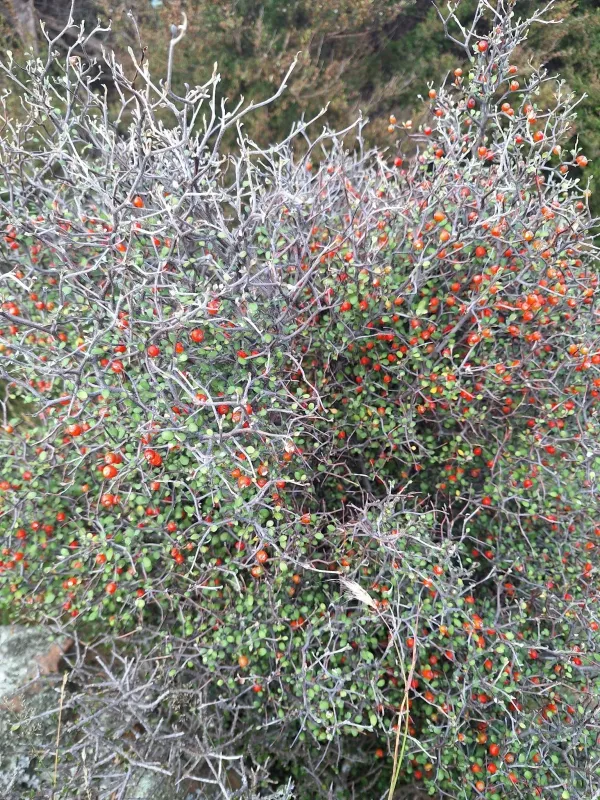
Description
Growing requirements
Corokia cotoneaster, commonly known as the wire netting bush, is a fascinating evergreen shrub belonging to the Argophyllaceae family. Native to New Zealand, it is highly regarded in horticulture for its unique zigzagging branches and minimalist appearance.
This species thrives in sunny locations with some protection from harsh afternoon heat. While it is hardy in mild climates, it requires protection from temperatures dropping significantly below freezing, making it an excellent candidate for patio containers in colder regions.
Soil requirements are straightforward: the plant demands excellent drainage. A well-aerated, slightly acidic to neutral soil mix enriched with perlite or coarse sand is ideal to prevent waterlogging, which the species is particularly sensitive to throughout its growth cycle.
Regarding cultural practices, moderate irrigation is essential. The plant prefers the growing medium to dry out slightly between waterings. During the active growing season, applying a balanced liquid fertilizer every few weeks promotes lush foliage and structural integrity.
Pruning is essential for maintaining its distinctive form. The shrub responds exceptionally well to shaping, allowing gardeners to keep it as a compact feature plant or use it for decorative topiary, which highlights its intricate, tangled branch structure.
Main diseases and pests
The primary pests affecting Corokia cotoneaster in garden settings are spider mites and scale insects. These pests thrive in dry environments and can cause significant damage to the plant's delicate leaves by extracting vital nutrients and weakening the overall structure.
To control these infestations, horticultural oils or appropriate insecticidal soaps are recommended. Regular monitoring of the inner branches is crucial, as pests often cluster where the zigzag stems meet, making them difficult to detect at early stages.
Root rot remains the most significant disease threat to this species. It is almost exclusively caused by overwatering or poor drainage systems. When the roots are saturated for too long, they lose the ability to absorb oxygen, leading to rapid decline and necrosis.
Cultural prevention of disease is far more effective than chemical intervention. By ensuring a porous, fast-draining substrate and allowing for adequate airflow around the base of the plant, gardeners can effectively mitigate the risks associated with fungal pathogens.
In addition to these threats, mechanical damage from strong winds or improper handling during repotting can stress the plant. Keeping the shrub stable and sheltered during severe weather conditions is a vital part of maintaining long-term health and vigor.