
Corokia buddleioides
Corokia buddleioides
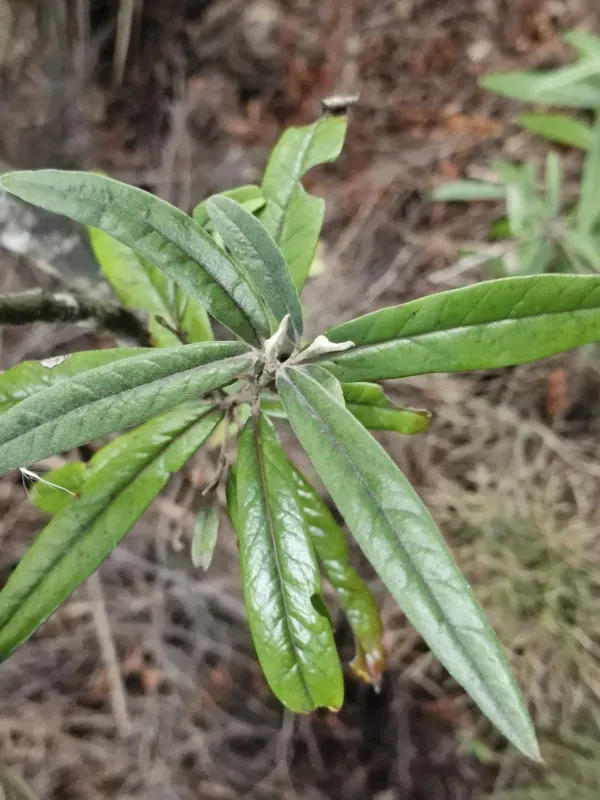
Description
Growing requirements
Corokia buddleioides, commonly known as the Buddleia-leaved Corokia, is an evergreen shrub belonging to the Argophyllaceae family. Native to New Zealand, it is highly valued for its striking dark green leaves and intricate, zigzagging branch structure.
This species thrives in well-draining, moderately fertile soils. It is critical to avoid waterlogged conditions, as the root system is prone to decay if kept in constantly moist soil. Adding organic matter can help improve soil structure and nutrient content.
The plant performs best in full sun to partial shade. While it is hardy in many climates, it benefits from protection against harsh frost and desiccating winds, which can damage the tender foliage during the winter season.
Agrotechnical maintenance involves regular, deep watering during the establishment phase and supplemental fertilizing in early spring. The shrub is exceptionally tolerant of pruning, making it an ideal candidate for hedges, topiary, or formal garden designs.
Its primary use is ornamental landscaping. Gardeners often plant it for its unique architectural form, which adds texture and interest to shrub borders, rock gardens, or as a container plant for patios in cooler regions.
Main diseases and pests
Pests such as scale insects and spider mites are common threats, especially when the plant is kept in dry, indoor environments. Regular monitoring and the application of horticultural oils can keep these populations under control.
Root rot is the most significant disease risk, typically caused by poor drainage or overwatering. Maintaining a strictly balanced moisture regime is the most effective preventative measure for long-term plant health.
Fungal leaf spot may occur if the foliage remains wet for extended periods in humid climates. Ensuring good airflow around the shrub and avoiding overhead irrigation can significantly reduce the incidence of these pathogens.
Nutrient deficiencies, particularly iron chlorosis, can manifest as yellowing leaves in high pH soils. Adjusting the soil acidity or using chelated iron fertilizers can rectify this issue and restore healthy leaf color.
Sanitation practices, including the removal of dead or crossing branches, are essential for maintaining plant vigor. Regular cleanup prevents debris accumulation that could harbor diseases or attract unwanted pests to the base of the shrub.