
Cordyla richardii
Cordyla richardii
Description
Growing requirements
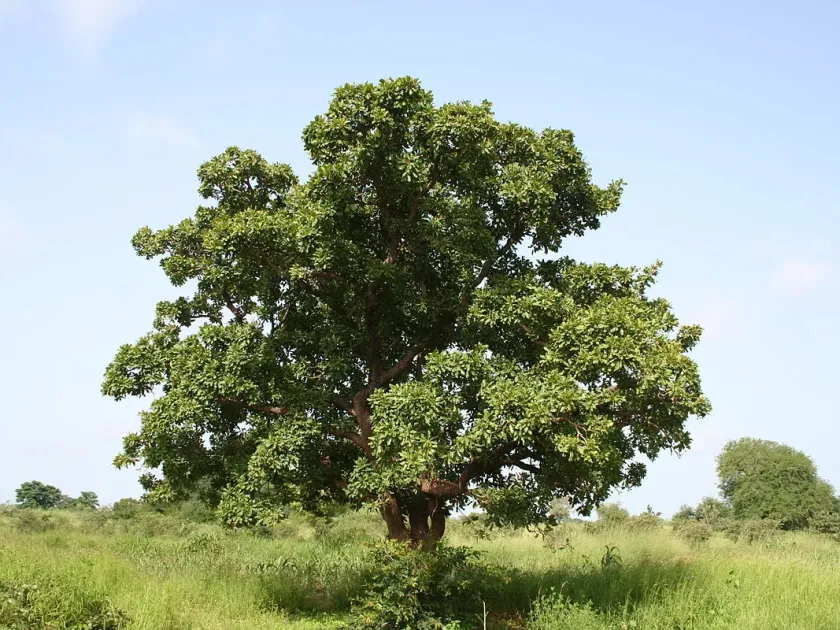
Cordyla richardii belongs to the Fabaceae family and is native to the tropical regions of Africa. It is a slow-growing tree known for its dense canopy and deep root system.
The plant thrives in tropical climates characterized by high annual temperatures and distinct wet seasons. It does not tolerate frost and prefers regions where the temperature remains above 20 degrees Celsius year-round.
Soil requirements for optimal growth include well-drained, fertile, slightly acidic to neutral soils. It is often found in riverine forests or savannah transitions where nutrient leaching is minimized.
Agrotechnical management involves careful site selection to ensure sufficient space for root expansion. Mulching around the base is recommended to maintain soil moisture during the transition into the dry season.
Economically, the species is valued for its hard timber, used in local construction, and its edible fruits, which are an important source of carbohydrates and minerals in rural communities.
Main diseases and pests
Common threats include fungal pathogens that thrive in humid environments, potentially causing leaf spot or stem decay if proper spacing is not maintained.
Boring insects represent a significant risk for the tree trunk, often targeting stressed specimens weakened by prolonged drought or poor site maintenance.
Deforestation and habitat loss are the primary external threats to the natural population, making sustainable plantation management essential for species conservation.
Good agricultural practices such as thinning and pruning are necessary to promote airflow and prevent the buildup of pest populations within the canopy.
Monitoring for signs of wilting or discoloration in leaves is crucial, as these are often the first indicators of nutrient deficiency or soil-borne disease in Cordyla richardii.