
Cordyla pinnata
Cordyla pinnata
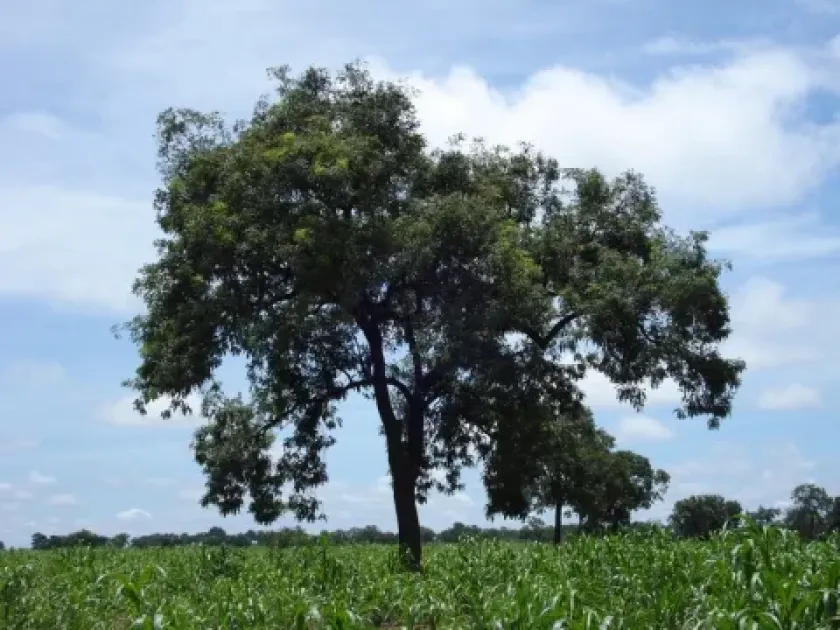
Description
Growing requirements
Cordyla pinnata, commonly known in some regions as the wild mango, is a deciduous tree belonging to the Fabaceae family. It is native to the savanna regions of West Africa, where it plays a significant role in the local ecosystem.
This species thrives in tropical climates characterized by a distinct wet and dry season. It is highly valued for its ability to withstand prolonged drought, making it a resilient choice for agroforestry projects in arid areas.
The tree prefers deep, well-drained soils, ranging from sandy to clay-loam textures. Adequate exposure to direct sunlight is essential for the healthy development of its canopy and regular flowering.
Biologically, Cordyla pinnata is known for its pinnate leaves and the production of edible, succulent fruits that are consumed by both humans and local wildlife. The tree usually sheds its leaves before the flowering period.
Economic utilization includes the harvesting of its dense, durable wood, which is used for carpentry, as well as the pharmacological use of its bark and roots in traditional African medicine.
Main diseases and pests
Fungal infections in the root system are the primary concern for Cordyla pinnata when planted in areas with poor drainage or excessive soil moisture accumulation.
Stem-boring insects represent a significant threat, as they can tunnel into the woody parts of the tree, potentially leading to structural failure or secondary infections.
Defoliating insects can occasionally cause localized damage, although the tree often recovers during the next vegetative season if conditions remain favorable.
Integrated pest management strategies focusing on maintaining tree vigor and biodiversity are recommended to mitigate the risk of severe infestations.
Preventative measures should emphasize the avoidance of waterlogging and the use of healthy, pathogen-free nursery stock during initial planting phases.