
Wild mango
Cordyla africana
Description
Growing requirements
Cordyla africana, commonly known as the wild mango, is a prominent tree species belonging to the Fabaceae family. It is a large, deciduous tree characterized by a spreading crown and a robust trunk that can grow up to 25 meters in height.
The tree is native to tropical regions of Eastern and Southern Africa. It primarily inhabits coastal forests, riverine habitats, and well-watered savannas, thriving in environments with adequate rainfall and deep, fertile soils.
Cultivation of Cordyla africana requires a tropical climate with consistent temperatures and protection from severe cold. While it prefers deep, well-drained soil, it shows significant adaptability to different soil structures, including sandy loams.
In modern agroforestry, this tree is highly valued for its soil-improving properties. As a leguminous species, it plays a vital role in nitrogen fixation, helping to restore soil fertility in areas depleted by intensive agricultural practices.
Economically, the species is widely utilized for its timber and food products. The wood is esteemed for its strength and resistance to pest damage, making it a sustainable choice for rural construction and artisanal woodcraft.
Harvesting
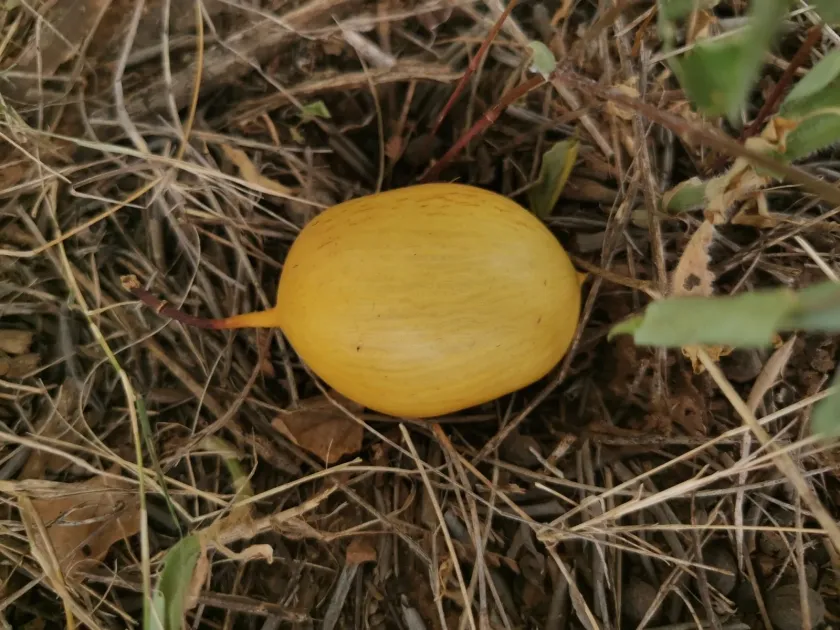
The harvest of Cordyla africana involves the collection of its large, yellowish-orange pods. These pods contain a fibrous, sweet pulp that is highly regarded as a traditional food source in many parts of its native range.
Harvesting techniques are largely traditional, relying on manual collection once the pods ripen and fall from the branches. The pulp is often consumed fresh or processed into refreshing drinks, providing an important source of nutrition during the off-season.