
Connarus semidecandrus
Connarus semidecandrus
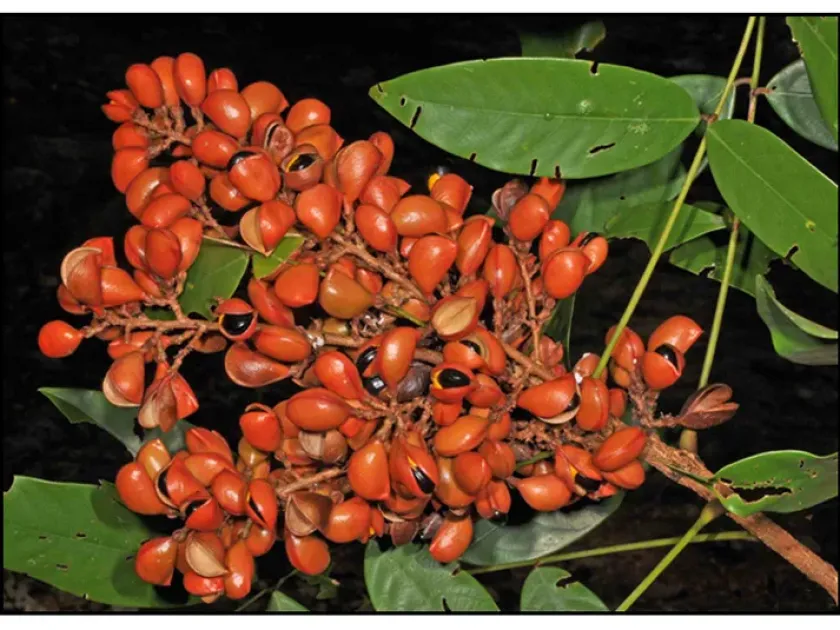
Description
Growing requirements
Connarus semidecandrus is a woody vine species belonging to the Connaraceae family. It is indigenous to the tropical regions of Southeast Asia, where it thrives in the understory and canopy of dense rainforests.
The plant demands a strictly tropical climate with consistent temperatures and high ambient humidity. It is highly sensitive to cold, making it unsuitable for cultivation in temperate zones without strict greenhouse climate control.
Soil requirements include well-draining, nutrient-rich substrates, preferably with organic matter. Waterlogging must be strictly avoided, as the root system of this species is prone to rapid decay under anaerobic conditions.
Agricultural techniques for this vine emphasize the provision of sturdy vertical structures for support. Pruning is often necessary to manage biomass and ensure adequate light penetration to the inner parts of the canopy.
Its botanical structure includes alternate, compound leaves and panicles of small flowers. The fruits are typically single-seeded, dehiscent capsules, which are essential for identifying the plant during the fruiting phase.
Main diseases and pests
Fungal diseases such as anthracnose are the primary pathological threat, particularly in humid environments with poor air circulation. Symptoms include dark, necrotic lesions on the foliage that hinder growth.
Pests like scale insects and mealybugs frequently colonize the stems and leaf axils, depriving the vine of vital nutrients. Manual removal or the use of horticultural oils is effective in the early stages of infestation.
Root rot caused by Phytophthora or Pythium species represents a major risk if the soil moisture is not managed correctly. Ensuring a porous growth medium is the most effective preventative measure.
Spider mites can become a significant issue during dry spells or in low-humidity environments. Regular foliage misting or specialized acaricide treatments can mitigate their impact on the plant's vitality.
Caterpillars and other leaf-eating larvae can cause significant aesthetic and physiological damage. Monitoring and timely removal of these insects are crucial to maintaining the health of the plant throughout the growing season.