
Connarus monocarpus
Connarus monocarpus
Description
Growing requirements
Connarus monocarpus is a woody vine belonging to the Connaraceae family, native to tropical regions of India and Southeast Asia. It is a perennial climber that requires stable, warm, and humid environmental conditions to thrive.
The plant thrives in deep, fertile soils with excellent drainage capabilities. Due to its origin in tropical forest understories, it prefers soil rich in organic matter that can retain moisture without becoming waterlogged.
Climate requirements include high ambient humidity and consistent warmth. It is extremely sensitive to frost and sudden temperature drops, which makes it suitable only for tropical or strictly controlled greenhouse environments.
Regarding light, the plant performs best in filtered sunlight or semi-shaded areas. Exposure to intense, direct tropical sun can damage the foliage, therefore providing shade or mimicking the forest canopy is recommended.
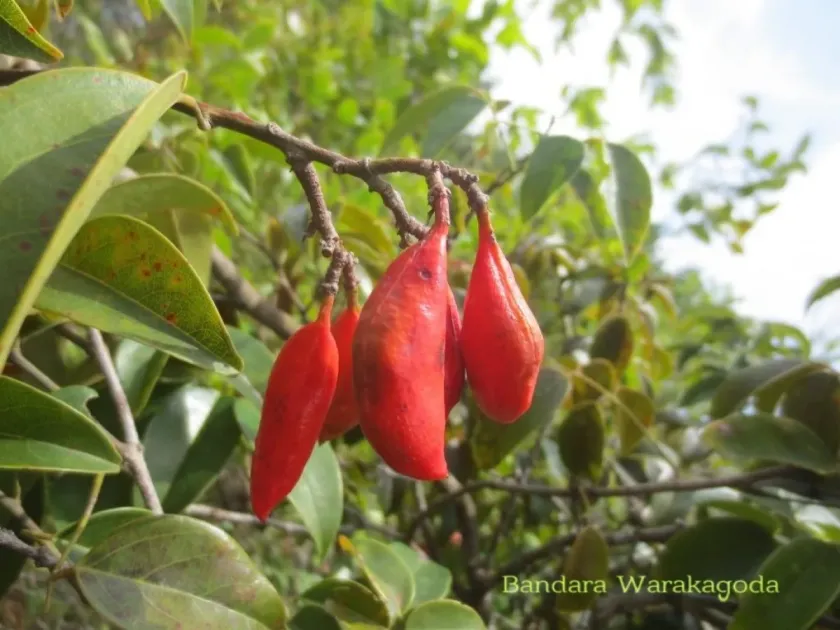
Botanical identification is based on its compound leaves and, most importantly, its unique fruit development. The plant produces single-seeded, follicle-like fruits, which justifies the specific epithet monocarpus.
Harvesting
The harvesting of Connarus monocarpus is typically performed manually by local communities who utilize the plant for various traditional purposes. The harvest timing depends on the specific plant part required for medicinal use.
Post-harvest processing involves cleaning and drying the plant materials in shaded, well-ventilated areas. This ensures the preservation of volatile compounds and active substances present in the tissues.
Storage of the processed material requires cool and dry conditions to prevent degradation. Proper packaging is essential to maintain the quality of the harvested parts for further usage in pharmacological or local traditional applications.
Beyond traditional use, the plant serves as a specimen in botanical collections and tropical gardens. Its climbing habit makes it useful for greening vertical structures in appropriate climatic zones.
Continuous research is being conducted to evaluate the potential of its phytochemicals. As interest in sustainable and exotic botanical resources grows, the cultivation techniques for this species are being further refined.