
Connarus longestipitatus
Connarus longestipitatus
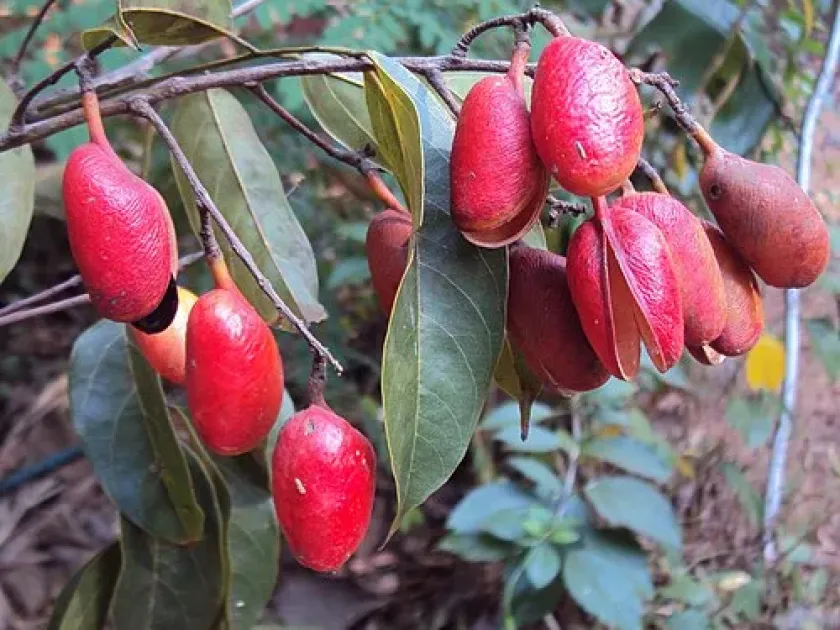
Description
Growing requirements
Connarus longestipitatus is a woody vine species belonging to the Connaraceae family. Native to tropical regions of South America, this plant is primarily found in rainforest environments, where it thrives in high-humidity habitats with consistent thermal levels throughout the year.
The botanical characteristics of this species include compound leaves and a robust vine structure that requires substantial support to reach maturity. Its growth cycle is adapted to the competitive environment of tropical forests, where it rapidly extends its stems to access filtered sunlight.
Environmental requirements for this crop include well-draining, nutrient-rich soil with a slightly acidic pH. Consistent moisture is essential; however, the soil must be aerated to prevent the development of root-borne pathogens which are prevalent in stagnant water conditions.
Agricultural management of Connarus longestipitatus involves providing appropriate trellising or natural structural support to facilitate vertical growth. Pruning is recommended to manage the canopy density and promote the development of its characteristic floral and fruit structures.
Economic and agricultural usage is currently centered on regional traditional applications. While not a primary commercial crop, the plant is valued for its specific chemical profile, which is being studied for potential applications in botanical medicine and sustainable material production.
Main diseases and pests
The primary threats to this plant are fungal infections caused by excessive soil humidity and lack of airflow. Phytophthora species and other soil-borne diseases can rapidly compromise the integrity of the root system if drainage is inadequate.
Pest management should focus on monitoring for sap-sucking insects, particularly aphids and scale insects. These pests feed on the nutrient-rich sap of the new shoots, potentially leading to weakened plant vigor and increased susceptibility to secondary infections.