
Conioselinum vaginatum
Conioselinum vaginatum
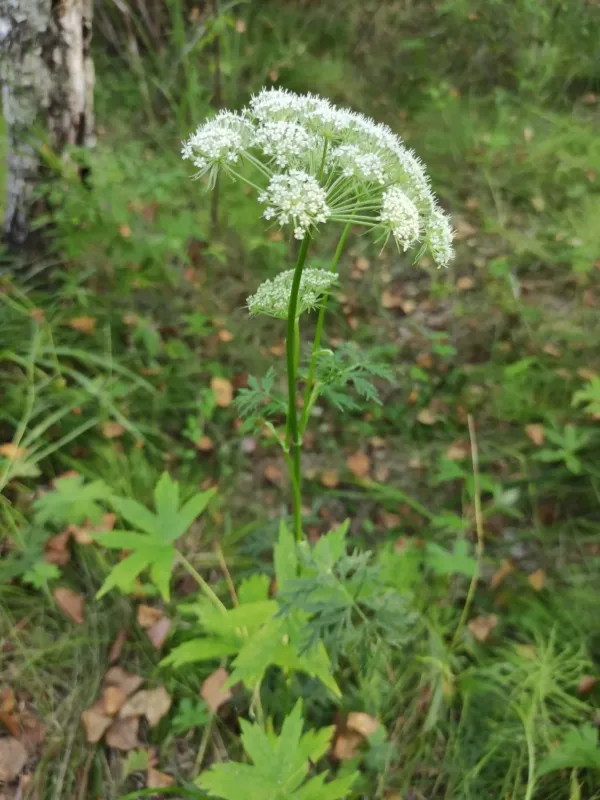
Description
Sowing dates
Conioselinum vaginatum is a perennial herbaceous plant belonging to the Apiaceae family. It is known for its distinct foliage and development cycle that spans several years.
Sowing typically occurs in late autumn or early spring. Stratification is highly recommended for seeds to break dormancy and ensure uniform germination across the field.
The seeds should be planted at a shallow depth of approximately 1.5 to 2 cm in well-prepared, aerated soil to allow the delicate seedlings to emerge efficiently.
Spacing should be managed to ensure adequate ventilation, with rows typically set 40-50 cm apart to support the full maturation of the plant rosette.
Effective establishment of the crop relies on high-quality seed selection and maintaining weed-free conditions during the initial stage of vegetation.
Growing requirements
This crop thrives in fertile, loamy soils that possess high organic matter content and provide efficient drainage to prevent waterlogging.
The plant is highly resilient to temperate climate variations, demonstrating strong winter hardiness even in harsh conditions without additional cover.
Optimal growth requires consistent moisture levels, particularly during the early spring and the transition phases into the flowering period.
Sunlight exposure is crucial for the metabolic activity of the plant, influencing the concentration of secondary compounds in its roots and leaves.
Neutral soil pH levels are generally considered ideal for maintaining optimal nutrient uptake and general plant health throughout the growing season.
Yield
The economic value of Conioselinum vaginatum is derived from its pharmacological potential, with yield measured by the weight of harvested roots and biomass.
Peak productivity of the plantation is typically achieved during the second or third year, when the root system has sufficiently developed.
Fertilization regimes emphasizing phosphorus and potassium contribute significantly to better root development and overall plant vigor.
Management of the harvest involves specific machinery to lift roots gently, minimizing potential damage and soil contamination.
Yield stability is strongly correlated with the consistent application of best agricultural practices throughout the crop's development cycle.
Main diseases and pests
Common pests affecting this crop include typical Umbelliferae insects, such as carrot rust flies, which can damage the root structures.
Fungal diseases like powdery mildew are common risks, particularly in fields with high humidity and poor air circulation between plants.
Integrated pest management strategies are advised to maintain crop health while minimizing the environmental footprint of farming operations.
Weed control is essential during the early stages, as competitive pressure can significantly stunt the growth of young Conioselinum vaginatum plants.
Regular field scouting helps detect early signs of stress or infestation, allowing for timely and targeted interventions.
Harvesting
Harvesting usually takes place in late autumn, when the aerial parts of the plant begin to fade, signaling that energy has been transferred to the roots.
Post-harvest processing involves washing the roots to remove debris, followed by careful inspection to ensure product quality standards are met.
Drying must be conducted in controlled conditions, keeping temperatures below 45 degrees Celsius to preserve the essential oils within the material.
Once dried, the crop is stored in cool, dark, and dry locations to prevent degradation of its biological compounds until final processing or transport.
Proper handling after harvest is critical to ensuring the longevity and efficacy of the plant material for its various industrial applications.