
Conioselinum scopulorum
Conioselinum scopulorum
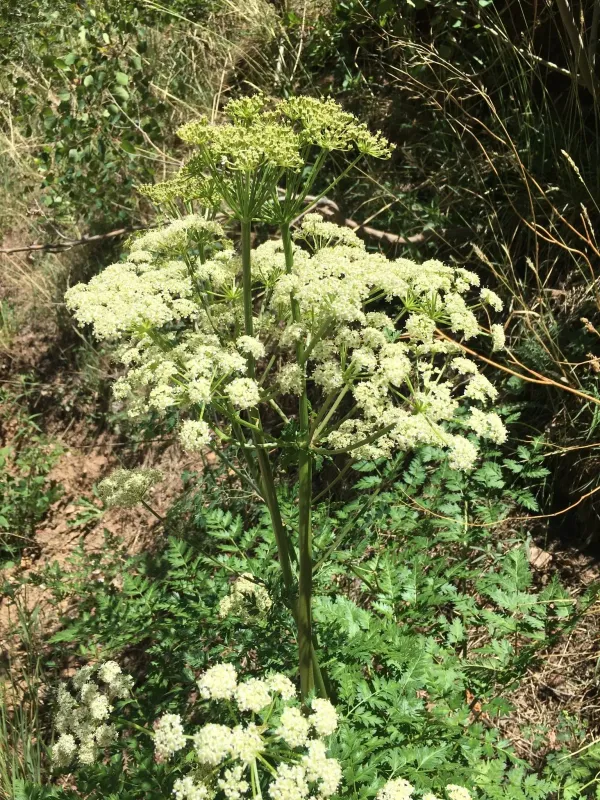
Description
Sowing dates
Conioselinum scopulorum, a member of the Apiaceae family, is typically propagated through seed sowing. Due to the natural dormancy of the seeds, they require stratification or winter sowing to achieve optimal germination rates during the spring season.
Seeds should be sown at a shallow depth of approximately 1 to 2 centimeters to ensure adequate oxygen availability. The row spacing should be maintained at 40–50 centimeters, allowing for sufficient light penetration and efficient weed management between the rows.
Precision seeding is highly recommended to manage the density of the seedlings properly. Consistent moisture levels must be maintained during the first few weeks after sowing to prevent the seeds from drying out, which is critical for successful stand establishment.
The germination process is relatively slow and requires a stable soil temperature between +12 and +18 degrees Celsius. If conditions are too cold or too warm, the uniformity of the seedling emergence will be significantly reduced, leading to yield losses.
Once the plants have developed two or three true leaves, thinning is necessary to ensure each individual plant has adequate room to develop its root system. This step prevents resource competition and promotes more uniform plant development across the field.
Growing requirements
The crop thrives in well-drained, fertile, loamy soils that have a neutral pH level. Given its biological nature, it performs best in soils with high aeration, avoiding waterlogged conditions which are detrimental to the root health of this plant species.
As a light-demanding crop, it requires open, sun-exposed locations to maximize the accumulation of essential metabolites. Excessive shading will lead to etiolated growth and reduced quality of the harvested biomass, which is a key factor in its market value.
The ideal temperature range for active growth is between +15 and +22 degrees Celsius. While it is hardy and capable of surviving cold winters, the crop does not tolerate rapid fluctuations in temperature, which can stress the plant and affect its physiological development.
Irrigation practices should be focused on preventing soil saturation. Drip irrigation is preferred as it delivers water directly to the root zone without wetting the foliage excessively, thereby reducing the risk of fungal outbreaks that the species is susceptible to.
Proper nutrient management involves a balanced application of phosphorus and potassium fertilizers during the pre-planting phase. Organic matter, such as well-rotted compost, should be incorporated into the soil during autumn to improve the overall structure of the seedbed.
Main diseases and pests
Root rot is the most common threat to this crop, usually appearing in environments with poor drainage and excessive moisture. Managing water levels and ensuring good soil aeration are the primary methods for preventing these soil-borne fungal infections.
Insects like aphids and certain beetle species may infest the foliage during the vigorous growth stage. Regular field scouting and the use of integrated pest management strategies are recommended to maintain economic thresholds of these insect populations.
Powdery mildew can occur if the humidity levels around the canopy remain too high for extended periods. Pruning or thinning the plants to improve air circulation within the canopy is an effective preventive measure against this disease.
The susceptibility to diseases is often correlated with the physiological stress of the plant. Therefore, maintaining consistent growth conditions, including appropriate fertilization and irrigation, is crucial for building the crop's natural resistance.
Weed control is essential, particularly in the early stages of development, as weeds compete for water and nutrients. Mechanical cultivation between rows is beneficial, provided that it is performed carefully to avoid causing damage to the delicate root system of the crop.
Harvesting
Harvesting is typically scheduled when the plants reach their peak biomass or specific maturity stage, depending on the desired use of the vegetative parts. It is essential to perform the harvest during dry weather to ensure the longevity of the post-harvest material.
Manual or mechanized harvesting tools should be cleaned and disinfected before use to prevent the transmission of potential pathogens between different plots. Precision in cutting height is necessary to ensure the plants can recover if multiple harvests are intended.
Post-harvest handling requires immediate cooling and drying to preserve the essential oils and nutritional value. The harvested material should be spread in thin, well-ventilated layers to prevent degradation caused by high temperature or humidity during the drying process.
Storage should be conducted in cool, dark, and dry conditions to maintain the quality of the raw material. Avoiding direct sunlight is crucial as UV rays can lead to the oxidation of sensitive compounds within the plant tissues.
Packaging must ensure adequate airflow to prevent spoilage, particularly if the crop is being stored for longer durations. Following these post-harvest protocols ensures a premium quality product that meets industry standards for medicinal or culinary uses.