
Thale cress
Arabidopsis thaliana (L.) Heynh.
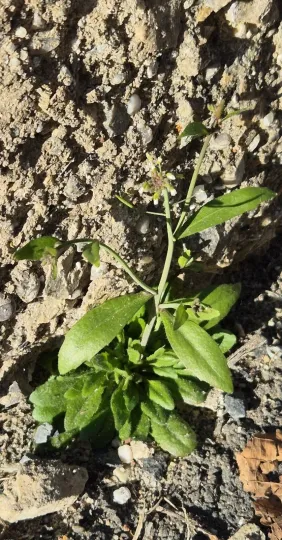
Description
Sowing dates
Thale cress is a small herbaceous annual plant that naturally germinates in autumn or early spring, depending on the local climate conditions.
For scientific research purposes, seeds are sown onto the surface of a soil-less growth medium or agar plates due to their microscopic size.
Pre-treatment of seeds with a cold period (stratification) at 4 degrees Celsius is essential to break dormancy and ensure uniform germination.
The plant has a short life cycle, allowing it to transition from germination to seed production in approximately six to eight weeks.
Sowing density should be managed carefully to ensure adequate space for rosette development, which is critical for experimental consistency.
Growing requirements
As a member of the Brassicaceae family, the plant requires specific environmental conditions to thrive during its rapid life cycle.
The preferred soil should be a well-draining mixture, often peat-based, with consistent moisture levels to prevent root system stress.
Photoperiod is a major factor in development, and long-day conditions are typically used to accelerate the flowering phase in laboratory environments.
Temperature must be strictly controlled, typically ranging between 20 and 22 degrees Celsius, to maintain optimal metabolic activity.
Adequate ventilation is necessary to prevent high humidity, which can lead to rapid fungal growth and tissue decay on the rosettes.
Main diseases and pests
Powdery mildew is a significant threat to laboratory populations, thriving especially in confined, poorly ventilated indoor growth rooms.
Root pathogens such as Pythium species can devastate seedlings if the growing substrate remains waterlogged for extended periods.
Spider mites are common insect pests that thrive in the dry conditions often found in growth chambers, posing a risk to foliage.
Fungus gnats can cause damage to the root system and are also potential vectors for various plant pathogens within the growing area.
Strict sanitation protocols, such as autoclaving soil and sterilizing equipment, are standard practices to prevent the introduction of these pests.
Harvesting
Harvesting takes place when the seed pods have turned brown and dry, indicating that the seeds inside have reached full maturity.
Technicians must carefully monitor the maturation process to collect seeds before the siliques naturally dehisce and disperse the seeds.
Seed cleaning involves mechanical threshing or manual separation of seeds from the dry plant material using specialized laboratory fine sieves.
Drying the harvested seeds in a desiccator is crucial to reach a stable moisture content that prevents loss of viability during long-term storage.
Stored seeds should be kept in airtight vials, ideally at low temperatures, to maintain high germination rates for future research trials.