
Arabidopsis halleri
Arabidopsis halleri (L.) O’Kane & Al-Shehbaz
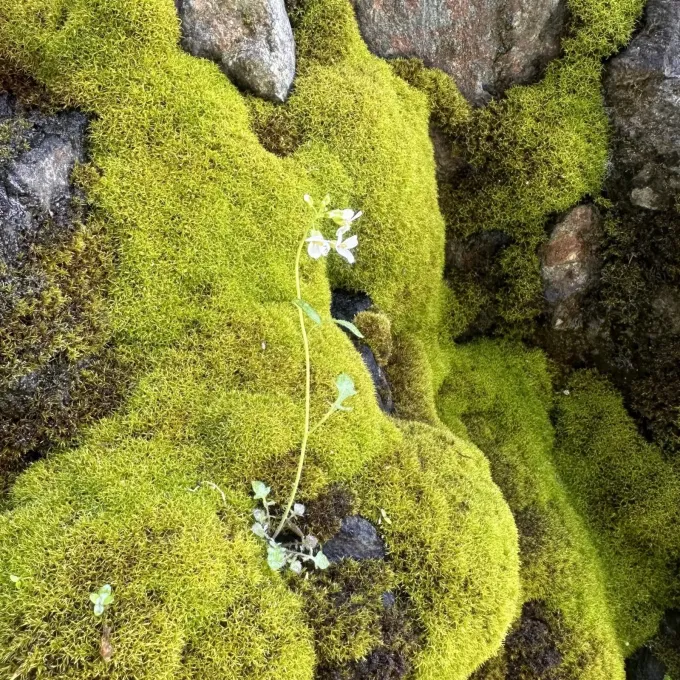
Description
Growing requirements
Arabidopsis halleri is a perennial herbaceous plant belonging to the Brassicaceae family. It is widely recognized in agronomy and plant science as a model organism and a powerful hyperaccumulator capable of extracting heavy metals from contaminated soil.
The plant thrives in diverse environmental conditions, ranging from mountainous terrains to meadow habitats. It requires well-drained soil and prefers moderate moisture levels to maintain optimal physiological activity throughout its growing cycle.
Biologically, the species possesses specialized transporter proteins that allow it to sequester high concentrations of zinc and cadmium in its leaves and stems without suffering toxicity. This trait is the primary focus of its agricultural and environmental application.
In terms of cultivation, the plant prefers substrates with good aeration and balanced nutritional support. While it is naturally hardy, successful establishment depends on maintaining soil pH levels that facilitate metal bioavailability for uptake.
Beyond its ecological role, Arabidopsis halleri is an essential subject for genetic studies regarding metal tolerance and stress response in plants, contributing significantly to modern biotechnology and sustainable land management.
Main diseases and pests
Like other members of the Brassicaceae family, the plant is susceptible to common pests such as flea beetles, which can cause significant damage to young foliage and reduce the plant's overall biomass production.
Fungal infections, particularly powdery mildew and root rot, represent a major risk during periods of high humidity or poor drainage. Proper air circulation and moisture management are essential to mitigating these threats.
Weed competition is a significant challenge during the seedling stage. Since the plant focuses its energy on metal uptake and root development, it may grow slowly initially, requiring careful maintenance to prevent overgrowth by competitive weeds.
Regular monitoring for symptoms of environmental stress or pathogen infestation is necessary, especially when cultivating the plant for large-scale soil remediation projects.
Integrated pest management strategies should be applied cautiously to ensure that the phytoremediation potential of the crop is not hindered by excessive chemical applications that could impact the soil ecosystem.