
Arabidopsis halleri gemmifera
Arabidopsis halleri (L.) O’Kane & Al-Shehbaz subsp. gemmifera (Matsum.) O’Kane & Al-Shehbaz
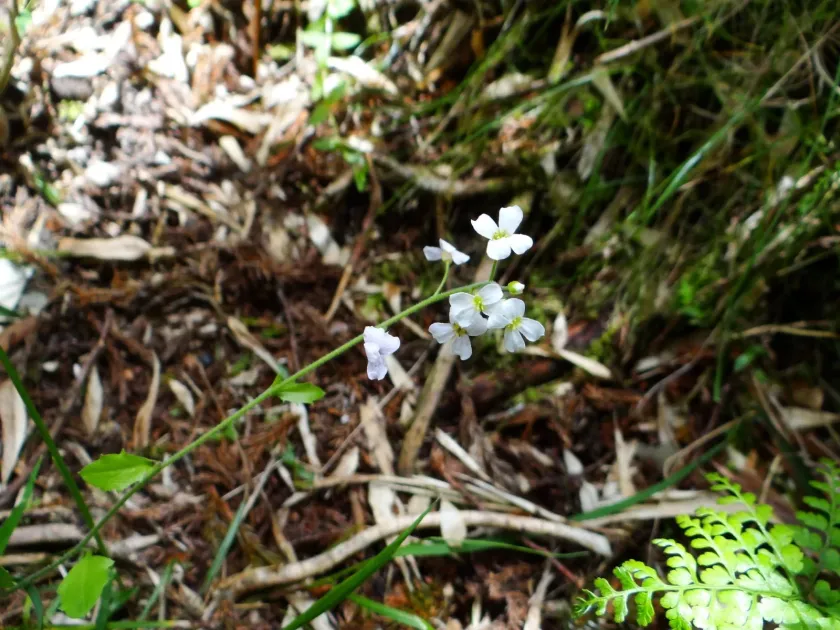
Description
Growing requirements
Arabidopsis halleri subsp. gemmifera is a perennial herbaceous plant belonging to the Brassicaceae family. It is internationally recognized for its extraordinary ability to hyperaccumulate heavy metals such as zinc and cadmium, making it a key subject in phytoremediation studies.
Originating from the regions of East Asia, including Japan and the Russian Far East, this plant naturally thrives in cool, moist, and rocky environments. It is often found along riverbanks and in mountain areas with high mineral availability.
The cultivation of this plant requires specific environmental conditions. It demands consistent soil moisture and excellent drainage to mimic its natural riparian habitats. Excessive heat must be avoided, as it can cause significant physiological stress to the plant.
Regarding soil requirements, A. halleri gemmifera performs best in mineral-rich substrates. Its growth is optimized when the soil chemistry allows for the efficient uptake of metal ions, which is the primary driver for its agricultural application in land restoration.
The main purpose of growing this culture is its use in ecological remediation projects. By extracting heavy metals from polluted industrial or mining soils, it helps to rehabilitate degraded land, serving as a sustainable alternative to mechanical soil replacement.
Main diseases and pests
Root rot is the most common disease for this species, especially in environments with poor drainage. Excessive water accumulation in the root zone quickly leads to decay, making soil moisture control the most critical factor for crop health.
Crucifer pests, such as flea beetles, pose a major threat by feeding on the leaves. Early detection is vital to prevent defoliation, which limits the plant's surface area for transpiration and metal uptake.
Fungal pathogens like powdery mildew can affect the plants if air circulation is insufficient. Ensuring proper spacing between individual plants is essential to manage the humidity levels around the foliage.
Aphid infestations may occur during the warmer parts of the growing season, potentially spreading viral diseases. Regular monitoring and physical removal are preferred methods for managing these populations in small-scale cultivation.
Integrated pest management strategies focusing on non-toxic biological controls are recommended to preserve the plant's natural metal-accumulating efficiency and maintain the overall health of the agricultural site.