
Commelina paludosa
Commelina paludosa
Description
Growing requirements
Commelina paludosa is a notable member of the Commelinaceae family, naturally inhabiting the tropical and subtropical zones of Asia. This perennial herbaceous plant is well-adapted to swampy environments, riverbanks, and humid forest floors.
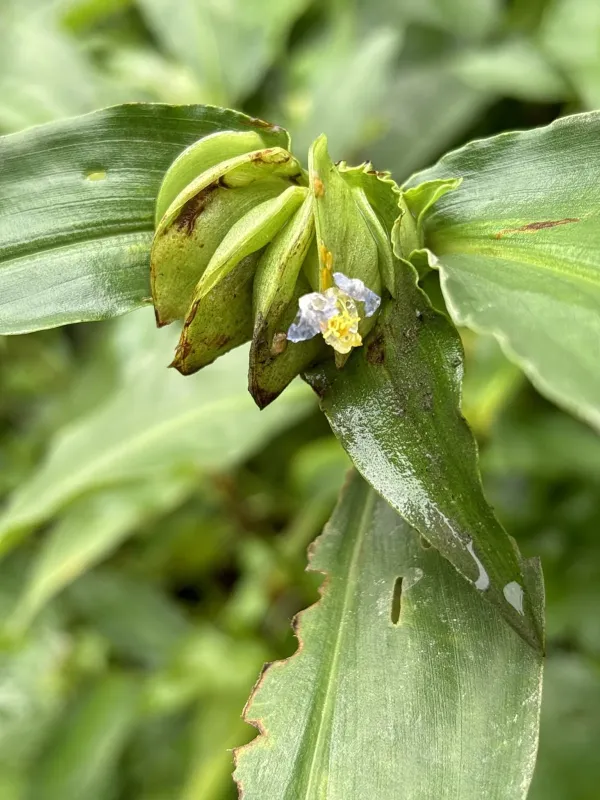
The botanical structure of the plant features succulent, creeping stems that root easily at the nodes. The leaves are typically lanceolate, and the flowers are protected by spathes, which are characteristic of the genus Commelina, providing a distinct aesthetic profile.
Agricultural success with this species depends on maintaining high moisture levels in the soil. The plant thrives in well-drained but consistently wet, organic-rich substrates that mimic its natural riverine or wetland habitat.
The optimal thermal range for growth is between 20°C and 28°C. Commelina paludosa prefers filtered light or partial shade, as intense direct sunlight can lead to leaf scorch and dehydration of its delicate tissues.
In terms of utility, the plant is studied for its phytochemical properties and serves as an ornamental component in wetland gardening. It is propagated primarily through cuttings or division, making it a reliable crop for specialized botanical environments.
Main diseases and pests
The plant faces significant threats from fungal pathogens that thrive in high-humidity conditions. Root rot and stem blight are common issues when soil aeration is poor or water stagnation occurs around the base.
Pests such as gastropods, particularly snails and slugs, are a persistent threat to its foliage. Regular inspections and the implementation of physical barriers are often necessary to protect the plant from grazing damage.
In controlled environments, spider mites can become an issue if the humidity levels drop significantly. Effective management involves maintaining a stable microclimate and using mild horticultural soaps if infestation occurs.
Nutritional imbalances, such as those caused by improper pH levels in the soil, can lead to nutrient deficiencies like chlorosis. Maintaining a slightly acidic to neutral pH is essential for optimal nutrient uptake.
Good agricultural practice requires consistent monitoring and sanitation. By removing necrotic tissues and ensuring adequate air circulation, cultivators can minimize disease incidence and promote healthy growth cycles.