
Commelina livingstonii
Commelina livingstonii
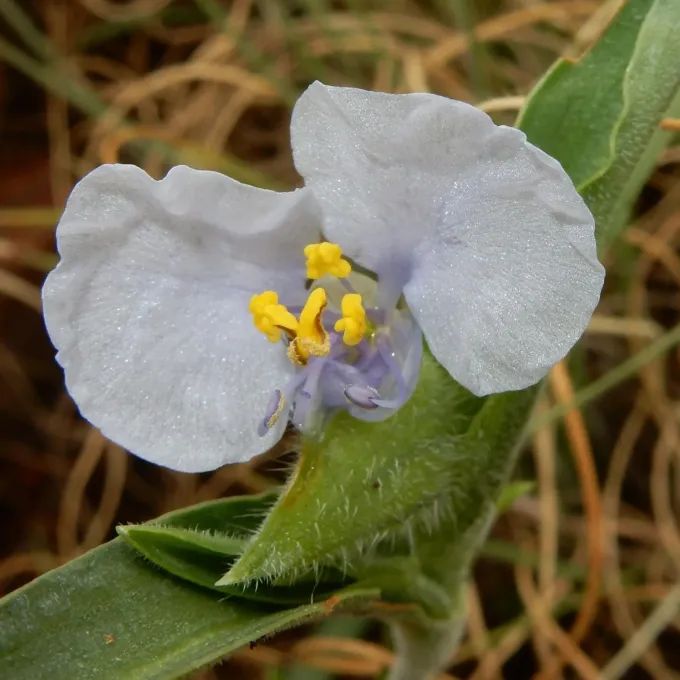
Description
Growing requirements
Commelina livingstonii is a perennial herbaceous plant belonging to the Commelinaceae family. It is native to tropical African regions, where it thrives in humid environments.
The crop requires well-draining, fertile soil with a neutral pH to ensure optimal nutrient uptake. Consistent soil moisture is essential for development, as the plant does not tolerate prolonged dryness.
Growth is most vigorous in temperatures ranging from 20 to 30 degrees Celsius. The species is highly sensitive to frost, necessitating protection or greenhouse cultivation in cooler regions.
Filtered sunlight or partial shade is preferred, as the delicate foliage is susceptible to scorching under direct, intense tropical sunlight.
The plant has been historically utilized in various local applications, demonstrating potential in both decorative horticulture and scientific research regarding plant resilience.
Main diseases and pests
Root rot caused by fungal pathogens is the primary threat, typically triggered by waterlogged conditions and inadequate soil aeration during the growing season.
Aphids and spider mites are the most common pests, which can cause significant stunted growth if not managed through regular monitoring and intervention.
Slugs and snails are particularly problematic for young shoots, often causing physical damage to the leaves during damp periods.
Viral infections can occur, often transmitted by insect vectors; thus, maintaining a clean and pest-free cultivation area is paramount for crop health.
Integrated pest management strategies, including the use of biological control agents and proper spacing, are recommended to maintain high yield quality.