
Commelina latifolia
Commelina latifolia
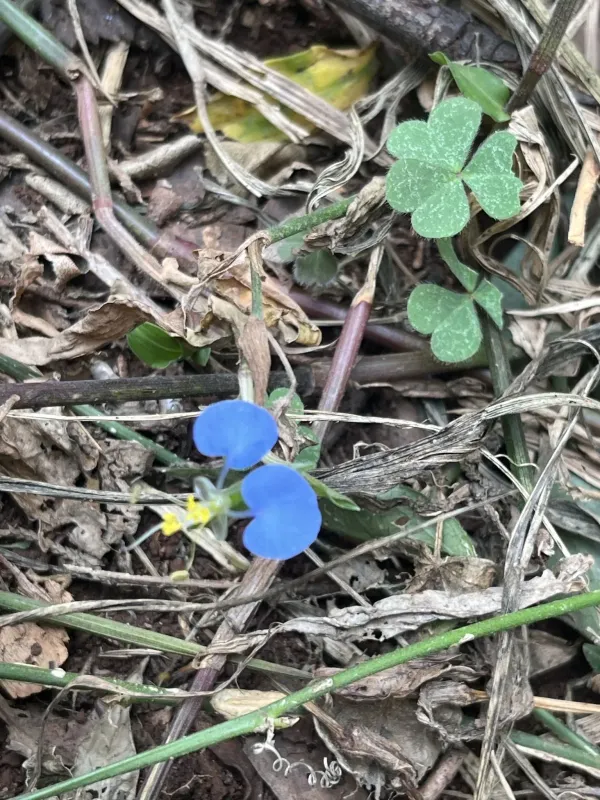
Description
Sowing dates
Sowing Commelina latifolia seeds is best performed in a controlled greenhouse environment in late March or early April to ensure strong seedling development. If planting directly into the ground, ensure temperatures remain consistently above 15-18 degrees Celsius.
Seeds should be covered with a light layer of soil, approximately 0.5 centimeters deep, to provide sufficient contact with moisture without preventing germination. Maintaining high humidity levels is crucial during the first two weeks of emergence.
Transplanting should be done once seedlings reach a height of 5-7 centimeters, spacing them about 25 centimeters apart. Adequate spacing allows for better air circulation and reduces the risk of fungal outbreaks in the leaf canopy.
Pre-soaking seeds in growth-promoting solutions can significantly improve germination rates. This initial stage is vital for establishing a healthy root system capable of supporting fast-growing green mass later in the season.
For regions with shorter growing seasons, starting from seeds in containers is the most reliable method. This strategy ensures the plant reaches maturity and produces viable seeds before the onset of autumn frosts.
Growing requirements
Commelina latifolia is part of the Commelinaceae family and thrives in nutrient-rich, moist, and well-drained soils. An ideal soil pH range is between 6.0 and 7.0, ensuring optimal nutrient availability.
These plants prefer partial shade or filtered light conditions. Direct, intense sunlight can cause leaf scorching, while deep shade will likely hinder growth and reduce the plant's overall aesthetic vigor.
Consistent watering is essential for maintaining the succulence of the foliage; however, waterlogging must be avoided to prevent root rot. Mulching around the base of the plant helps retain soil moisture during hotter months.
The plant performs best in temperatures between 20 and 25 degrees Celsius. It is highly sensitive to frost, requiring sheltered locations or protective covering if temperatures are predicted to drop near freezing.
Regular cultivation and weeding around the rows encourage root aeration. Applying organic matter or compost before planting improves soil structure and provides the necessary minerals for robust plant development.
Yield
The primary use of Commelina latifolia is within ornamental gardening, where it is valued as a groundcover due to its rapid growth and dense foliage. Productivity of biomass depends largely on regular fertilizing and adequate water supply.
Because the stems can root at the nodes, the plant can effectively cover surfaces, making it useful for stabilizing soil on light slopes or suppressing competing weed species in controlled landscapes.
While some members of the genus possess pharmacological interest due to bioactive compounds, the agricultural focus remains on its landscape utility. Optimizing growth requires a balanced NPK fertilizer application every three to four weeks.
The long flowering period throughout the summer makes this plant an excellent addition to parks and ornamental gardens. Healthy plants will produce a continuous display of flowers if spent blossoms are deadheaded regularly.
Yield management in decorative plantings includes thinning overly dense patches to encourage better airflow and floral production. This maintenance ensures that the plant remains a striking feature throughout the growing season.
Main diseases and pests
Fungal diseases, including powdery mildew and various leaf spots, are the most common threats to Commelina latifolia. These infections typically arise when humidity is too high and air circulation is insufficient.
Slugs and snails are major pests that target the plant's succulent leaves, causing significant damage. Regular monitoring and the use of physical barriers or traps are effective methods to mitigate these infestations.
In greenhouse settings, infestations of aphids or spider mites may occur. Management involves using insecticidal soaps or biological controls to protect the health of the plants without damaging their delicate foliage.
Root rot is a common symptom of overwatering or inadequate soil drainage. If discovered, damaged plants should be removed, and soil drainage should be improved to protect the remaining crop.
Preventive measures include keeping the area free of weeds and ensuring that no debris is left around the base, as this can harbor pests and encourage fungal spores to thrive during the growing cycle.
Harvesting
Harvesting for aesthetic use or medical material is performed during peak bloom. Using clean, sterilized shears, cut the stems several centimeters above the ground to allow for potential regrowth from the base.
Seed collection involves monitoring the seed capsules until they turn a dark brown color. Harvesting should occur just before the capsules shatter to prevent the loss of seeds onto the ground.
When collecting material for drying, ensure that it is laid out in a thin, single layer in a well-ventilated, shaded area. This prevents mold growth and preserves the integrity of the plant's compounds.
Before winter, the rhizomes should be lifted in colder climates and stored in moist peat or sand in a cool place. This ensures the plant can be propagated again in the following season.
Handle harvested material with care, as the stems and leaves are fragile and can be damaged by crushing. Proper packaging and gentle transport are necessary to maintain the quality of the harvested produce.