
Commelina hasskarlii
Commelina hasskarlii
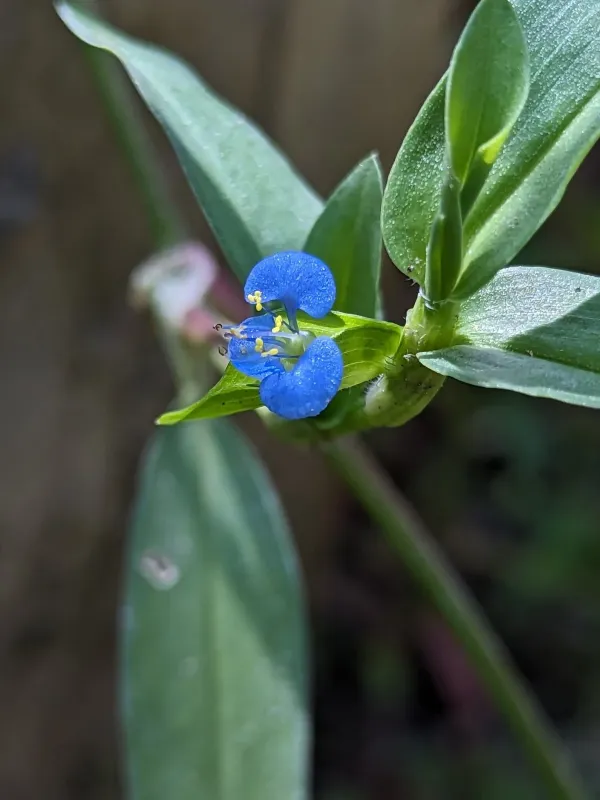
Description
Growing requirements
Commelina hasskarlii is an annual herbaceous plant belonging to the Commelinaceae family. It is native to tropical and subtropical regions of Asia, where it thrives in moist, riparian habitats and low-lying agricultural areas.
The plant exhibits a decumbent growth habit, often rooting at the stem nodes when they come into contact with moist soil. This botanical feature allows it to spread rapidly across the soil surface, effectively suppressing smaller weed species.
Cultivation of this species requires consistent soil moisture. It performs best in areas with high annual rainfall or well-managed irrigation systems that prevent the substrate from drying out during the peak growing season.
Soil requirements include high organic matter content and a neutral to slightly acidic pH. While it is adaptable to various soil textures, the plant prefers loamy soils that can retain moisture without becoming waterlogged.
Its primary agricultural use is as a supplemental forage crop. Due to its rapid biomass production and nutritional profile, it is considered an asset in integrated farming systems in its native range.
Main diseases and pests
Fungal infections are the most significant threat, particularly damping-off and root rot, which typically occur when irrigation management is suboptimal or drainage is poor.
Slugs and snails present a consistent challenge for this crop, as they are attracted to the succulent stems and leaves, often causing significant defoliation during the early stages of growth.
Various sucking insects, such as aphids, may settle on the underside of leaves, causing chlorosis and stunted growth, especially in stagnant air conditions.
Effective management strategies include the implementation of proper spacing to facilitate canopy aeration and the use of mechanical weed control in the early phases.
Monitoring for signs of pest damage is essential. Integrated Pest Management (IPM) practices, emphasizing biological control agents, are recommended to maintain fodder quality and environmental safety.