
Commelina forskaolii
Commelina forskaolii
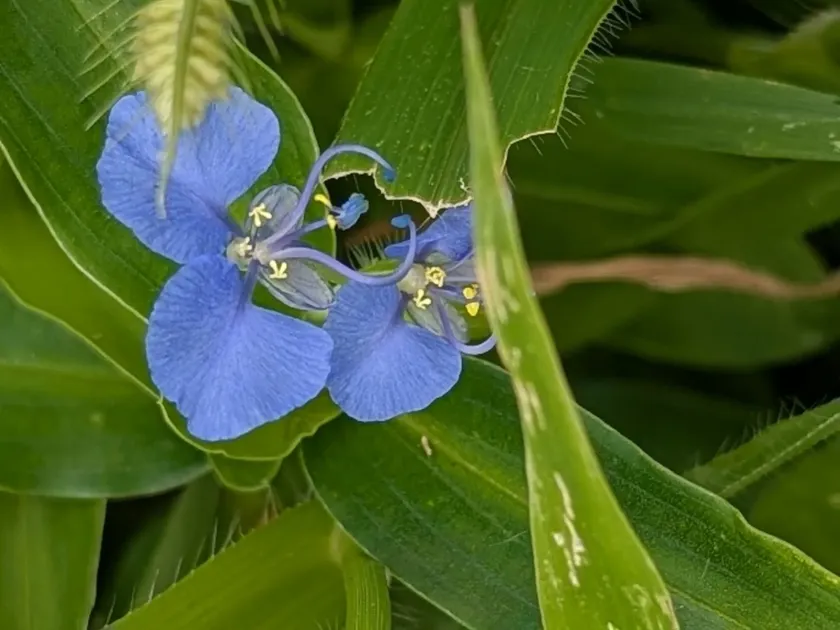
Description
Sowing dates
Commelina forskaolii is an annual herb belonging to the Commelinaceae family, recognized for its potential as a productive forage crop in tropical and subtropical regions. Sowing is typically aligned with the onset of the rainy season to ensure optimal moisture for germination.
The ideal soil temperature for sowing ranges between 20 to 25 degrees Celsius. Seeds should be planted in rows with a spacing of 30 to 45 centimeters to provide adequate room for individual plant development and canopy expansion.
Seed depth should be maintained at approximately 1 to 2 centimeters. Using high-quality, treated seeds significantly enhances the uniformity of the stand, which is crucial for maximizing yield in the field.
In large-scale farming, mechanical seed drills are used to ensure precise depth and spacing. This precision minimizes seed waste and promotes even competition among seedlings during the initial growth stages.
Early season weed management is essential when sowing this crop. Ensuring the field is free of invasive species before planting provides the young plants with a competitive advantage for nutrients and sunlight.
Growing requirements
This crop thrives in well-drained, fertile soils ranging from sandy loams to light clays. It is adaptable to various soil types but performs best where soil aeration is high and waterlogging is avoided.
Commelina forskaolii is a light-demanding plant. It requires full exposure to sunlight for optimal photosynthetic activity and biomass production; shading from taller vegetation or buildings should be strictly avoided.
The optimal temperature for rapid growth is between 22 and 30 degrees Celsius. As a tropical species, it is highly sensitive to frost, which effectively ends the growing season and damages the plant tissue.
Water requirements are moderate, but consistent moisture is necessary during the rapid vegetative growth phase. Irrigation can be implemented in drier climates to secure multiple harvests throughout the season.
A soil pH between 6.0 and 7.0 is considered ideal for this crop. Regular soil testing is recommended to ensure that essential macronutrients like nitrogen and phosphorus are available for sustained plant development.
Yield
The primary use of Commelina forskaolii is as a high-quality green fodder for livestock, including cattle, sheep, and goats. It is highly valued for its palatability and nutritional profile.
One of the key strengths of this plant is its ability to regenerate quickly after harvest. Under favorable environmental conditions, multiple cuts can be obtained in a single season, maximizing land utility.
The crude protein content is competitive with many traditional forage grasses, making it an excellent addition to balanced livestock diets. It supports weight gain and general health in grazing or stall-fed animals.
Yield metrics per hectare vary depending on the frequency of fertilization and water availability. With intensive management, the crop demonstrates high biomass production potential, supporting sustainable local animal production.
Beyond fresh consumption, the harvested material can be ensiled or converted into haylage. This preservation method ensures a reliable feed supply during periods of low plant productivity or extreme weather.
Main diseases and pests
Fungal diseases represent the most significant threat to Commelina forskaolii, particularly during periods of high humidity and poor air circulation. Leaf spots can reduce both yield and forage quality.
Pests such as aphids and various lepidopteran larvae may target the soft leaves. Field monitoring should be conducted regularly to identify early signs of infestation and prevent widespread damage.
Competition from aggressive weeds is a primary concern during the early growth phase. If left unchecked, weeds can easily overwhelm the crop, necessitating physical or mechanical weeding early on.
To mitigate disease risks, farmers should follow proper crop rotation practices and avoid over-dense planting. Good field hygiene helps in reducing the inoculum of common plant pathogens.
Integrated Pest Management (IPM) strategies, including the use of biological controls and selective application of eco-friendly pesticides, are recommended to protect the crop without compromising feed safety.
Harvesting
The harvest should ideally commence at the onset of the flowering phase. This is when the concentration of nutrients, particularly proteins and minerals, is at its peak before the plant diverts energy to seed production.
Using a mower-conditioner set to a height of approximately 5 to 7 centimeters allows for effective harvesting while preserving the plant's potential for rapid regrowth from the base.
Efficiency in harvesting is critical, especially when the crop is intended for fresh feed. Rapid transportation to the feeding site prevents wilting and loss of nutritional quality due to heat exposure.
When preparing for ensiling, the harvested forage should be wilted slightly to achieve the target dry matter content. Proper chopping and compaction in the silo are necessary to ensure effective fermentation.
Adhering to a strict harvest schedule helps maintain the vigor of the plant stand, allowing for a sustained multi-cut regime throughout the growing season without exhausting the soil's resources.