
Commelina fasciculata
Commelina fasciculata
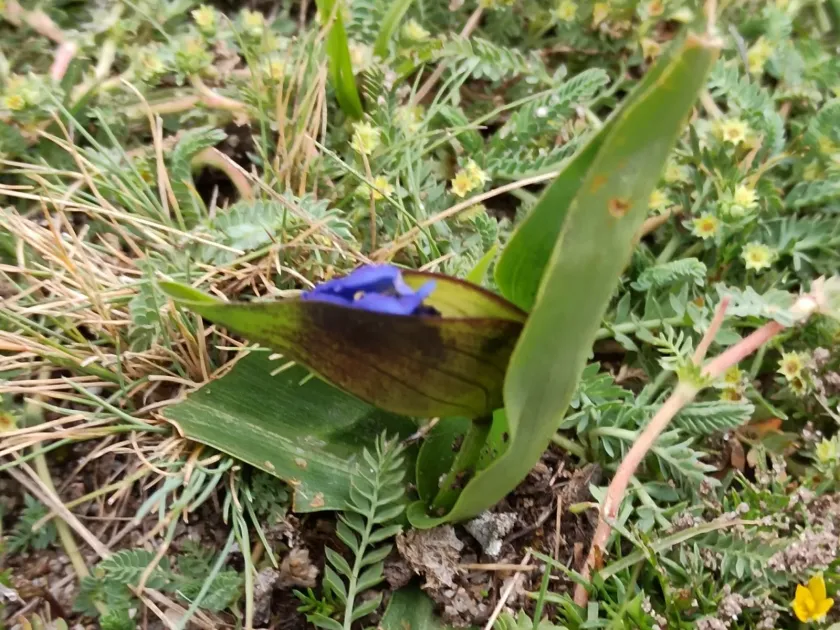
Description
Growing requirements
Commelina fasciculata is a perennial herbaceous plant belonging to the Commelinaceae family. In agricultural practice, this species is recognized for its significant adaptability and ability to produce biomass rapidly in suitable climatic conditions.
The native range of this plant primarily includes the tropical and subtropical regions of the Americas. It thrives in loose, well-aerated soils with moderate to high moisture levels, which are critical for supporting its lush vegetative growth throughout the season.
Botanically, the plant is characterized by its fasciculate (clustered) inflorescences. Its stems have the unique ability to root at the nodes upon contact with moist substrate, which allows the plant to spread effectively and develop dense cover across the cultivated area.
Optimal growth requires consistent warmth and abundant sunlight, typical of its native tropical zones. While it is quite robust, the species is sensitive to prolonged frost, making it ideal for tropical agricultural systems where environmental conditions remain stable.
Agronomic management involves meticulous soil preparation to ensure a weed-free environment during the establishment phase. The application of organic fertilizers significantly enhances biomass production, ensuring the crop reaches its full potential yield.
Yield
Commelina fasciculata is primarily utilized as a green forage crop for livestock feeding. Its nutritional profile and digestibility make it a valuable resource for improving livestock rations in regions where traditional forage crops might struggle.
The crop's yield potential is closely tied to irrigation management and the density of planting. Under optimal management practices, it is possible to achieve multiple harvests per growing season, providing a constant supply of fresh, nutrient-rich green matter.
A notable feature of this plant is its rapid regenerative capacity following cutting. This characteristic allows it to serve effectively in grazing management, as it recovers quickly from livestock impact without sacrificing nutritional quality.
Beyond its forage value, the plant acts as a beneficial soil cover, helping to improve soil structure through its expansive root system. The decomposition of its biomass contributes essential organic matter and nitrogen back into the soil cycle.
In addition to agricultural utility, the plant is increasingly valued for its aesthetic properties in tropical landscaping. Its ability to combine utilitarian forage production with ornamental appeal makes it a versatile addition to diverse agricultural systems.
Main diseases and pests
Fungal diseases represent the primary challenge in cultivating this crop, particularly in environments with poor air circulation or excessive soil moisture. Maintaining recommended plant spacing is vital for preventing the onset of these conditions.
Insect pests that target foliage can affect the biomass yield during peak growth periods. Proactive monitoring and the application of integrated pest management (IPM) strategies are essential to keep pest populations below economic damage thresholds.
Root rot, often associated with poor drainage, can severely limit plant vigor. Ensuring proper water management and avoiding waterlogged areas are fundamental practices to prevent the development of these soil-borne pathogens.
Weed control is critical during the early growth stages when the young plants are establishing themselves. Mechanical weeding or the use of mulch in between rows serves as a highly effective approach for managing unwanted competition.
The adoption of environmentally friendly protection practices, including the use of biological control agents, is recommended. This approach ensures the sustainability of the forage crop and protects the broader agricultural ecosystem from chemical runoff.