
Commelina chamissonis
Commelina chamissonis
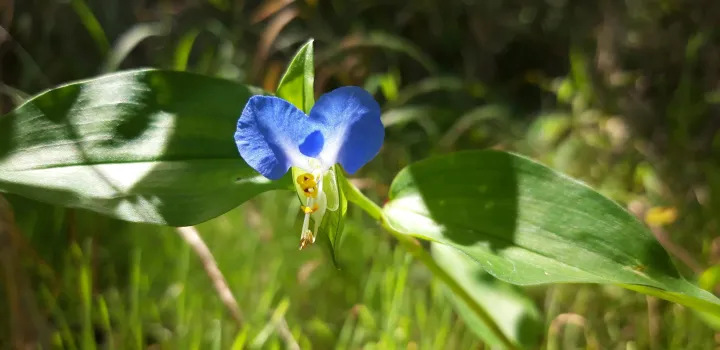
Description
Growing requirements
Commelina chamissonis is a herbaceous perennial belonging to the Commelinaceae family. It is known for its distinct botanical structure and is primarily valued for its ornamental characteristics in botanical collections.
Originating from the tropical regions of the Americas, this species thrives in environments characterized by high humidity and consistent moisture availability throughout the year.
The ideal soil for this crop should be rich in organic matter, loose, and well-drained. It performs best in substrates that mimic the natural forest floor conditions, maintaining a slightly acidic pH level.
In terms of light, the plant prefers bright, indirect sunlight. Prolonged exposure to intense direct sunlight can cause leaf scorching, while low light levels may lead to etiolated stems.
Agricultural management requires consistent moisture levels, as the plant is not drought-tolerant. Regular application of a balanced liquid fertilizer during the growing season supports healthy leaf development.
Main diseases and pests
The primary threats to the health of Commelina chamissonis include fungal infections such as root rot and leaf spots, which are usually triggered by poor drainage or overly humid, stagnant air.
Pests that commonly affect this species include spider mites and aphids. These insects tend to proliferate if the plant is kept in an environment with low humidity and high temperatures.
Management strategies involve the use of appropriate fungicides and insecticides if infestations reach critical levels. Biological control methods are preferred in greenhouse conditions.
Proper airflow is a crucial preventive measure; overcrowding plants can lead to the rapid spread of diseases within the crop population.
Regular monitoring of the foliage and root zone allows for early detection of potential stress factors, ensuring the overall longevity of the plant specimens.