
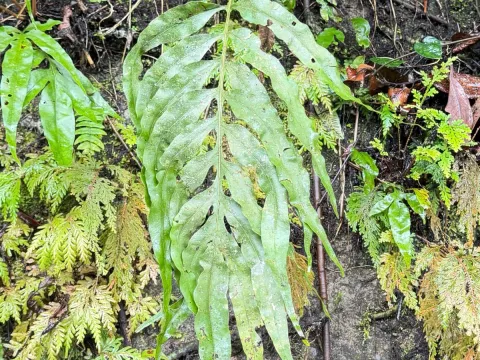
Colysis
Colysis
The genus Colysis (Colysis) belongs to the Polypodiaceae family. These perennials are true ferns native to the tropical and subtropical forests of Southeast Asia, where they typically thrive in the damp, shaded forest floor environments.
What the section contains

Colysis
Successful cultivation of Colysis requires mimicking its native habitat. The plant demands bright, indirect light; exposure to harsh, direct sunlight will quickly scorch the delicate fronds, leading to irreversible aesthetic and physiological damage.
Temperature requirements are strictly tropical, ideally ranging between 18°C and 24°C. The species is highly sensitive to cold drafts and extreme fluctuations, which can trigger leaf drop and cause significant stress to the rhizome system.
The soil must be well-draining yet capable of retaining consistent moisture. A professional-grade substrate should be composed of sphagnum moss, peat, and a small amount of charcoal to ensure optimal pH levels and prevent compaction of the root system.
High humidity is essential for Colysis maintenance. In a commercial or indoor setting, maintaining humidity levels above 70% is mandatory. This can be achieved through ultrasonic humidification or frequent misting to prevent the tips of the fronds from browning.
Common pests affecting Colysis include spider mites, which thrive in low-humidity environments. These pests penetrate the fronds, causing stippling and eventual leaf death if not treated with appropriate acaricides or systemic insecticides.
Scale insects are another significant concern for these ferns. They often cluster along the veins on the underside of the leaves. Removing them manually or using specialized horticultural oils is recommended for effective population control.
Root rot, driven by excessive soil moisture and poor drainage, is the primary threat to the long-term health of the plant. If the rhizomes remain waterlogged for extended periods, they become highly susceptible to fungal decay.
Leaf spot diseases, caused by various fungal pathogens, can develop if water lingers on the foliage in poorly ventilated areas. Ensuring good air circulation is a critical agronomic practice to mitigate this risk.
Effective management includes sterile potting practices, consistent monitoring for early signs of infestation, and removing any decaying organic matter from the pot surface to prevent the spread of soil-borne pathogens.