
Showy autumn crocus
Colchicum speciosum Steven
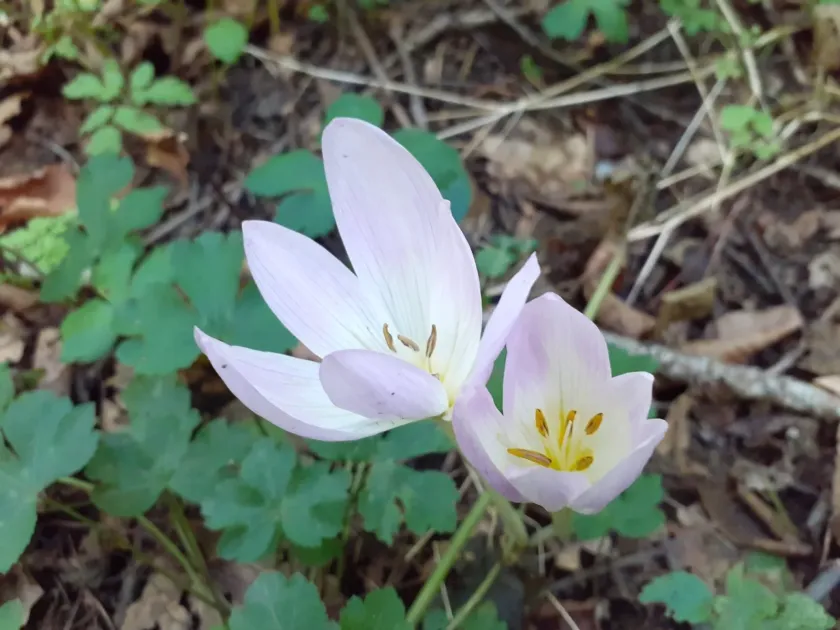
Description
Growing requirements
The showy autumn crocus (Colchicum speciosum) is a member of the Colchicaceae family. It is a perennial bulbous plant native to the Caucasus, northern Turkey, and parts of Iran.
This crop thrives in fertile, well-drained, and loose soils. Excessive moisture, especially during the dormant summer period, is detrimental to the corms and can cause rot.
The plant prefers full sun or partial shade conditions and exhibits high winter hardiness, making it suitable for a wide range of temperate climatic zones.
A unique botanical characteristic of this species is its growth cycle: broad, lush leaves emerge in early spring, while the delicate flowers appear in autumn without foliage.
Agricultural management should focus on maintaining a dry summer dormancy period, which is crucial for the successful formation of flower buds for the upcoming flowering season.
Main diseases and pests
Slugs and snails are the most significant pests for the showy autumn crocus, as they frequently damage the emerging spring foliage and can destroy autumn blooms.
Poor drainage or stagnant water conditions often lead to fungal pathogens, such as grey mould (Botrytis), which can rot the corm and destroy the entire plant structure.
In some agricultural settings, onion fly larvae can invade the corms, leading to structural damage that weakens the plant and decreases its overall vigor.
Viral infections can cause mosaic patterns on leaves or abnormal growth patterns, requiring the immediate isolation and destruction of infected individuals to prevent spread.
Integrated pest management, focusing on proper soil aeration and monitoring of pest populations, is essential for maintaining a healthy and productive crop of Colchicum.
Harvesting
The primary economic use of Colchicum speciosum is the extraction of the alkaloid colchicine, which is highly valued in pharmacological and genetic research.
Corm harvesting is typically performed during the plant's dormant phase, usually in late summer, before the onset of the autumn flowering activity.
Seeds are harvested in the spring after the seed capsules, which develop above the soil surface during the spring leaf phase, have reached full maturity.
Because all parts of the plant contain toxic compounds, all harvesting and handling operations must be conducted with appropriate safety gear and strict protocols.
Post-harvest processing involves cleaning, drying the material in a well-ventilated area at ambient temperatures, and storing it in a cool, dry environment to ensure product stability.