
Autumn crocus
Colchicum autumnale L.
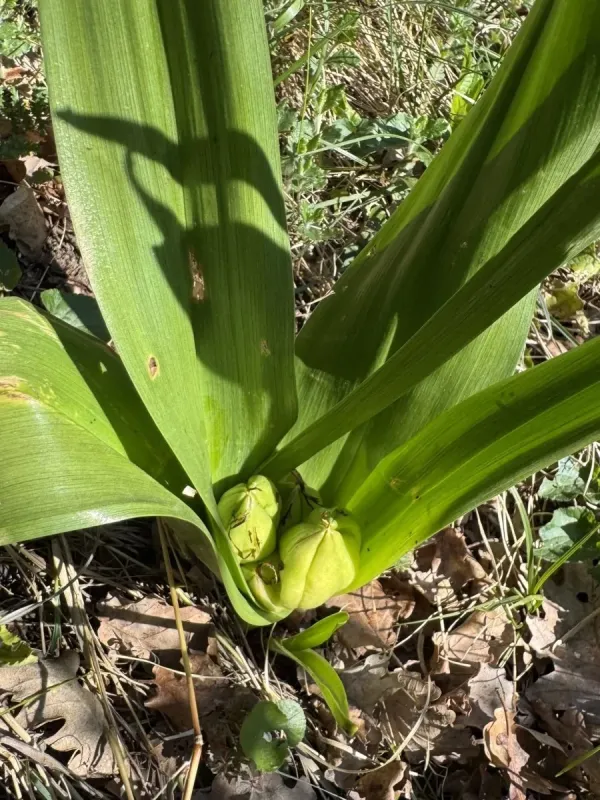
Description
Sowing dates
Planting of Autumn crocus (Colchicum autumnale L.) corms is typically performed in late summer, specifically in August, during the plant's dormancy phase.
Seed propagation is less common in agricultural practice because it requires cold stratification and a long maturation period of up to seven years before the first flowering.
The planting depth for corms varies depending on their size, usually ranging between 10 and 20 centimeters to protect the plant from freezing soil temperatures.
For seed sowing, seeds should be planted in prepared beds before winter, allowing them to undergo natural cycles of low temperatures to improve germination rates.
Proper spacing is crucial to ensure adequate airflow between plants, which helps to mitigate the risk of fungal diseases during the spring growth season.
Growing requirements
Autumn crocus belongs to the Colchicaceae family and is recognized as a perennial geophyte, characterized by a unique life cycle involving distinct vegetative and reproductive stages.
The plant thrives in fertile, well-draining loamy soils with a neutral or slightly alkaline pH level, as it is highly susceptible to root rot in waterlogged conditions.
While it can tolerate partial shade, it achieves the best results in sunny, open locations where the soil warms up effectively during the growing season.
Environmental requirements include a balanced climate with moderate summer moisture and a consistent snow cover during winter to protect the underground organs.
Regular maintenance involves soil aeration and the application of organic fertilizers in early spring to support the development of the lush, leafy foliage.
Yield
The yield of Colchicum autumnale is measured by the biomass of its corms and seeds, which are primary sources of the valuable alkaloid colchicine used in pharmacology.
Commercial harvest is usually planned 3 to 5 years after planting, ensuring that the corms have reached their optimal physiological maturity and concentration of active substances.
Seed yields depend heavily on the density of the plantation and the presence of pollinators during the autumn flowering period, which is essential for successful fertilization.
Strict quality control protocols are applied to measure the alkaloid content, as the therapeutic value of the crop is directly linked to its chemical composition.
- Harvest age: 3–5 years post-planting.
- Main products: corms, seeds, leaves.
- Standardization: based on alkaloid concentration levels.
Main diseases and pests
Slugs and snails are the most significant pests for Autumn crocus, frequently damaging the green spring foliage and potentially reducing the plant's vigor.
Poor soil drainage leads to severe issues with fungal root rots caused by Sclerotinia, which can decimate entire patches in a single season.
Grey mold is a common threat during wet autumns, as it targets the emergent flowers and can spread rapidly under high humidity conditions.
Viral mosaic diseases may affect the plant, causing foliage discoloration and stunted growth, which negatively impacts the overall yield of medicinal raw materials.
Effective management includes maintaining proper crop rotation and immediate removal and destruction of any diseased plants to prevent the spread of infection.
Harvesting
Corms are harvested after the vegetative part of the plant has withered and dried completely, signaling that the nutrients have been stored in the underground bulb.
Seeds are gathered during the wax-ripening stage, strictly before the capsules begin to split, to prevent loss and ensure the full collection of the crop.
Collected material is cleaned of debris and dried in controlled conditions at temperatures not exceeding 50 degrees Celsius to preserve the alkaloid stability.
Due to the high toxicity of all parts of the plant, personnel must wear protective gear during the harvest and ensure that the material is handled with caution.
Final storage must be done in a secure, dry, and well-ventilated area, keeping the product away from food supplies and out of reach of animals.