
Byzantine meadow saffron
Colchicum byzantinum Ker Gawl.
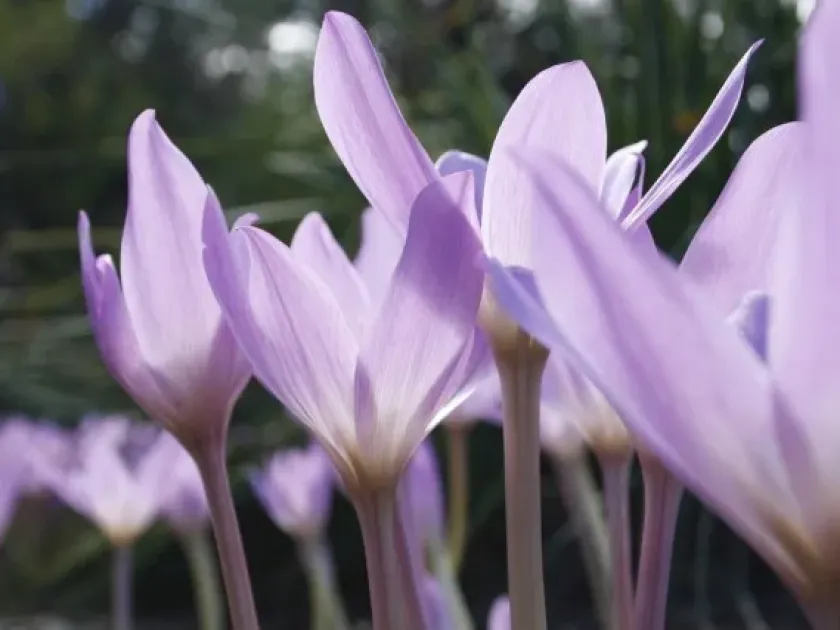
Description
Sowing dates
Planting of the Byzantine meadow saffron (Colchicum byzantinum), a member of the Colchicaceae family, should occur during the bulbs' dormant phase. The ideal window is late summer, specifically from late July through August, before the autumn flowering cycle begins.
Bulbs should be planted at a depth of 10 to 15 centimeters, depending on the bulb size. Ensuring proper spacing of about 15–20 centimeters between individual plants is crucial to avoid overcrowding and to provide adequate soil aeration for the developing roots.
Select a location that offers well-drained soil to prevent moisture accumulation. Once established, these plants can thrive in the same location for up to seven years without the need for division, making site selection an important step.
Vegetative propagation using daughter corms is the most common and efficient method. These offsets are separated from the main bulb after the foliage dies back and should be replanted immediately into the soil.
Seed propagation is possible but rarely practiced by growers due to the lengthy maturation period. It can take up to six years for a plant grown from seed to reach its first flowering stage, requiring significant patience.
Growing requirements
Byzantine meadow saffron flourishes in loose, nutrient-rich soils that offer excellent drainage. Poorly drained soil is highly detrimental, as it encourages the decay of the large corms during the cooler, wetter months of the year.
This species is highly adaptable to various climates and displays significant cold hardiness. It performs best in full sun or light shade, allowing the vibrant petals to fully expand during the autumn flowering season.
Irrigation is only necessary during the active spring growth phase when foliage is developing. During the summer dormancy, it is vital to keep the soil dry to protect the subterranean organs from fungal infections and rot.
Incorporating well-rotted organic matter into the soil prior to planting provides necessary nutrients. Periodic application of balanced mineral fertilizers during the growing season can significantly enhance flower production.
General maintenance is minimal, focusing on weed control and shallow cultivation of the topsoil layer. Care must be taken not to disturb the deep-seated bulbs while weeding to ensure the longevity of the plant population.
Main diseases and pests
Slugs and snails are the primary pests that damage the delicate tissues of the flowers and developing foliage. Implementing bait traps or using barrier methods during humid weather is essential to minimize visual damage.
Fungal diseases, including various types of root rot, are common in poorly drained environments. Proper site selection and treating bulbs with fungicides before planting can significantly reduce the risk of infection.
Rodents such as voles and mice can pose a threat by consuming the bulbs. Planting in protective mesh cages is an effective mechanical barrier against subterranean pests that might otherwise destroy the planting.
Viral infections can manifest as mottled leaves or distorted growth patterns. Since there is no cure for viral plant diseases, infected individuals should be removed and disposed of immediately to protect the rest of the garden.
- Slugs
- Snails
- Root rot
- Voles and mice
- Viral mosaic