
Palestinian colchicum
Colchicum palaestinum
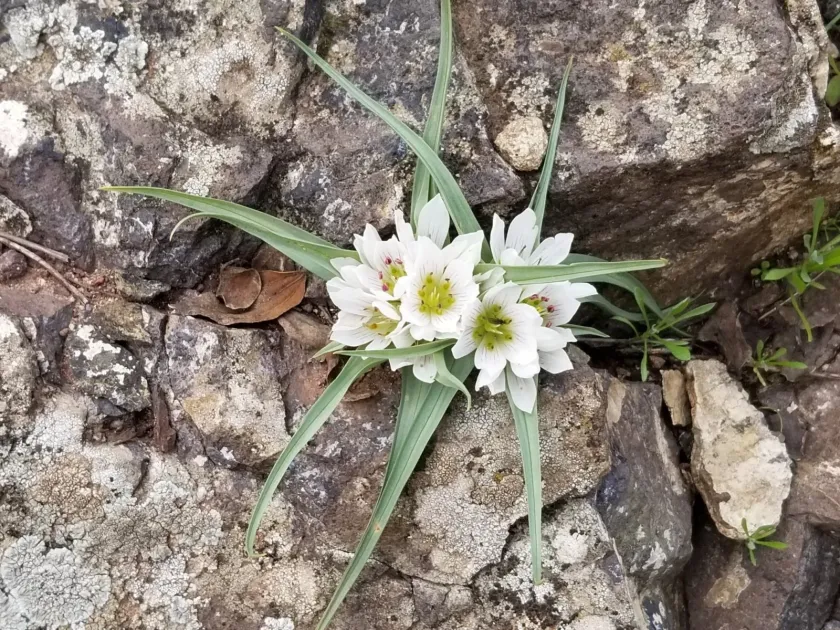
Description
Growing requirements
Palestinian colchicum (Colchicum palaestinum) is a perennial bulbous plant belonging to the Colchicaceae family. Native to the Eastern Mediterranean, particularly the regions of Palestine and adjacent areas, it is highly adapted to arid and semi-arid environments.
The plant exhibits a unique phenology characterized by hysteranthy: flowers emerge in autumn without foliage, while leaves appear separately in spring. This strategy allows the plant to maximize water utilization during the cooler, wetter months of the year.
Cultivation requirements involve well-drained, porous soil to prevent bulb decay. Heavy clay soils are unsuitable, as they tend to hold water, which is detrimental to the plant during its dormant summer phase.
Climate needs include full sun exposure for optimal growth and a distinct summer dry period. In regions with high summer precipitation, artificial protection or specific soil drainage systems must be implemented to mimic the Mediterranean climate.
Agricultural practice focuses on bulb spacing of at least 15–20 centimeters and planting depths of approximately 10–12 centimeters. Fertilization should be limited to the spring growth period to ensure robust bulb development for the following season.
Main diseases and pests
The primary threats to Colchicum palaestinum are fungal pathogens, specifically those causing root and bulb rots. These infections are frequently induced by waterlogging or excessive moisture during the dormant season.
Pests such as gastropods (snails and slugs) pose a risk during the spring vegetative cycle. They feed on the succulent foliage, reducing the photosynthetic capacity and weakening the bulb, which directly affects flowering quality.
Disease management strategies rely heavily on soil drainage and preventing water stagnation. Fungicide treatments for bulbs prior to planting can significantly reduce the incidence of soil-borne pathogens in commercial production.
The plant contains colchicine, a potent alkaloid that acts as a natural deterrent against many generalist pests. However, monitoring for specific resistant pests is necessary to maintain high-yield commercial bulb stocks.
Operational safety is paramount when handling this crop due to the toxicity of the plant. Field workers must wear appropriate protective clothing to avoid skin irritation and systemic absorption of toxic alkaloids during cultivation or harvesting tasks.