
Colchicum haynaldii
Colchicum haynaldii
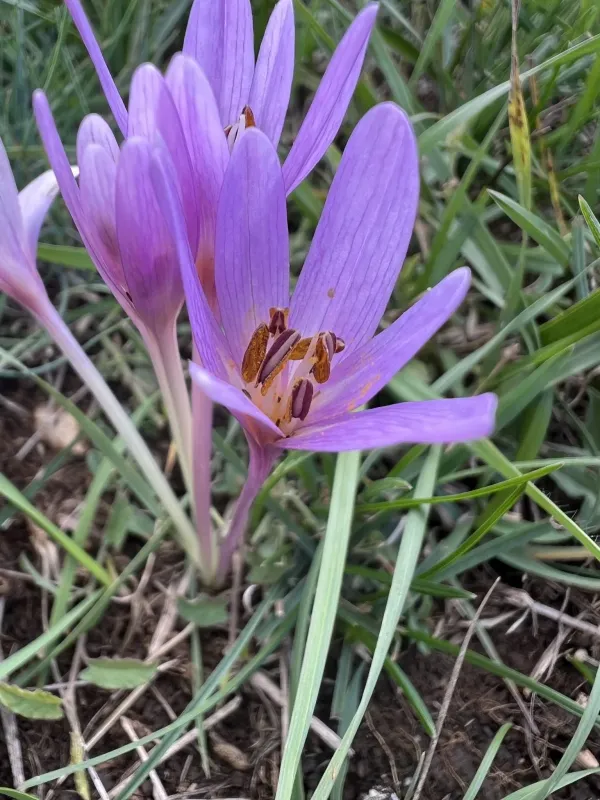
Description
Growing requirements
Colchicum haynaldii is a perennial bulbous plant belonging to the Colchicaceae family. It is native to the mountainous regions of the Balkan Peninsula, where it thrives in specific alpine ecological niches.
This crop requires well-drained, fertile soil with a neutral or slightly alkaline pH. Good drainage is critical, as stagnant water during the summer dormancy period causes bulb rot, which is the most frequent cause of failure in cultivation.
The plant prefers sunny positions but can tolerate partial shade. It requires a distinct warm, dry period in summer to ripen the bulbs, mimicking the conditions of its natural habitat for successful flower bud initiation.
Botanically, it exhibits a unique life cycle: the flowers emerge in autumn without foliage, while the leaves develop in the following spring, often accompanied by the fruit capsule that remains hidden at the soil surface.
In landscape design, it is highly valued for its ornamental contribution to rock gardens and borders, providing vibrant color when most other perennial garden species are dormant.
Main diseases and pests
The primary threats to Colchicum haynaldii are fungal infections, such as gray mold (Botrytis) and Fusarium rot, often encouraged by excessive soil moisture and poor ventilation.
Slugs and snails are the most significant pests during the spring when the foliage is soft and succulent. Their feeding damage can significantly weaken the bulbs' energy reserves for the following season.
Soil-borne larvae, such as wireworms, can bore into the bulb base, causing structural damage that facilitates secondary bacterial infections and total bulb decay.
Preventative measures include using gravel mulch around the plants to deter mollusks and applying fungicidal treatments to bulbs before planting if signs of stress are observed.
Regular inspection of the planting site and ensuring the soil surface dries out adequately between watering sessions are essential practices for maintaining healthy, vigorous stocks.
Harvesting
Propagation is primarily achieved by dividing bulb clusters during the late summer dormancy, which typically occurs from July through August.
When lifting the bulbs, it is crucial to handle them carefully to avoid bruising the outer tunics, as any damage increases susceptibility to pathogens during storage.
Seed harvesting can be performed in late spring when the seed capsules emerge, though this is a long-term strategy as seedlings take several years to reach flowering maturity.
Stored bulbs should be kept in a cool, dry, and well-ventilated location to prevent premature root growth and preserve the plant's health until the autumn planting time.
Periodic division every three to five years is recommended to prevent overcrowding, which can otherwise lead to diminished flowering performance and increased risk of pest infestation.